
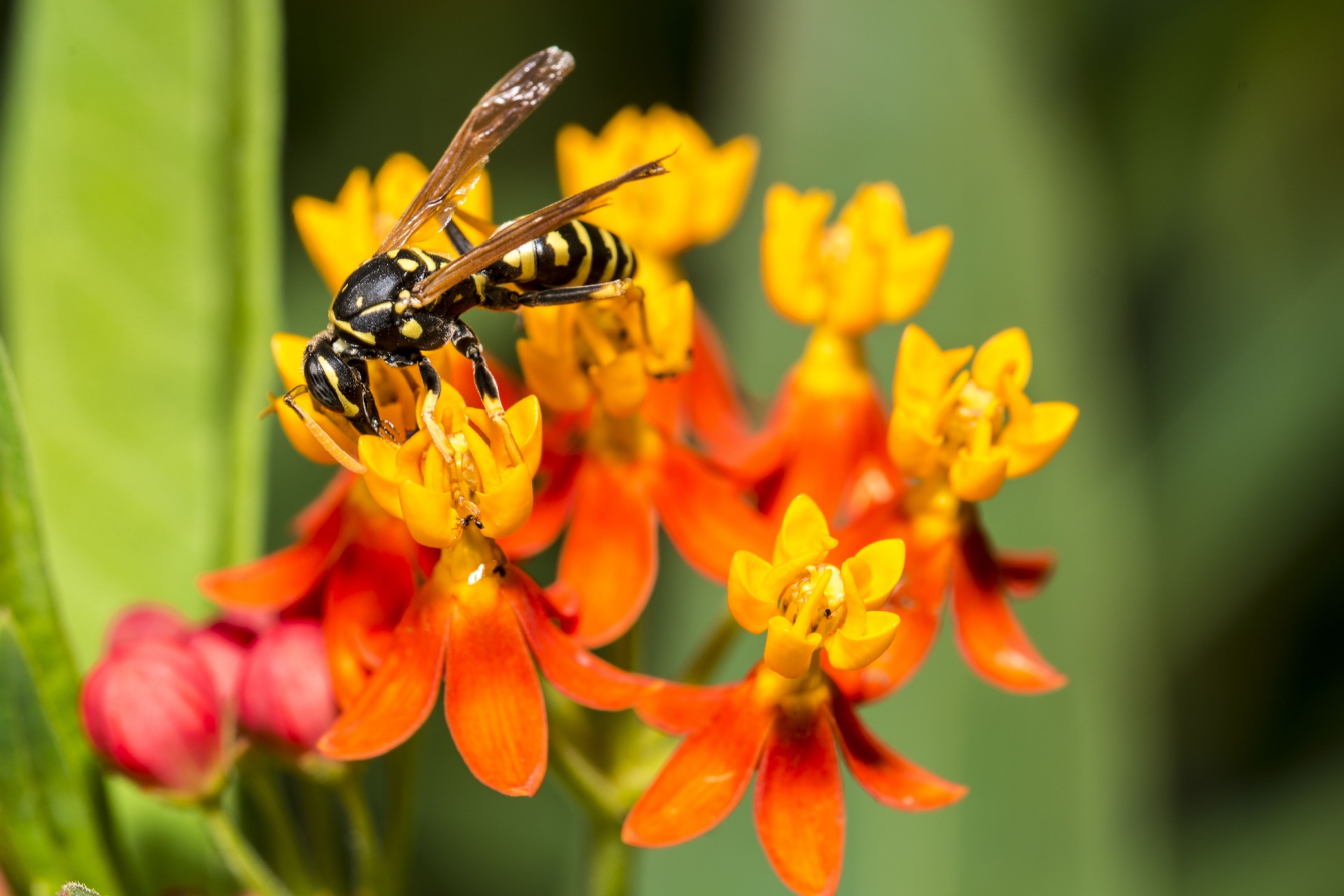
Stinging insects become increasingly active across the Portland area from late spring through early fall, and by midsummer, many homeowners are dealing with nests on or near their property. Managing wasps, yellowjackets, and hornets effectively requires an understanding of their behavior, their nesting patterns, and the right approach to treatment. This guide covers what Portland homeowners need to know about stinging insect control and when professional help is the safest option.
Why Stinging Insects Are Common in Portland
Portland’s mild climate supports stinging insect populations from early spring, when overwintering queens emerge to start new colonies, through late fall when cooler temperatures finally slow activity. The region’s mix of residential landscaping, mature trees, older homes with accessible wall voids, and proximity to parks and green spaces provides abundant nesting sites.
Yellowjackets and paper wasps are especially well-adapted to urban and suburban environments. They find sheltered nesting locations on homes and buildings readily, and Portland’s outdoor dining culture during the summer months brings people and stinging insects into close contact. Underground yellowjacket nests are a particular hazard in Portland because the area’s loose, well-drained soils make it easy for colonies to establish themselves in lawns, gardens, and landscaped beds.
Seasonal Patterns to Be Aware Of
Stinging insect colonies follow a predictable seasonal cycle. In spring, a single queen starts a new colony and begins building a nest. The colony grows steadily through the summer as workers emerge and expand the nest. Colony populations peak between August and October, which is when most conflicts between stinging insects and homeowners occur.
During this peak period, yellowjackets in particular become more aggressive. Natural food sources decline as the season progresses, and workers shift their foraging toward human food, garbage, and sugary drinks. This is also when yellowjacket colonies are at their largest, sometimes containing several thousand individuals.
By late fall, most colonies die off, and only newly mated queens survive the winter to start the cycle again the following spring. However, nests built inside heated structures—wall voids, attics, or garages—can sometimes remain active longer than outdoor nests.
Identifying Nests Around Your Property
Knowing where to look for nests is an important part of managing stinging insects around your home. Common nesting locations include:
- Under eaves, soffits, and porch ceilings: Paper wasps and some yellowjacket species build nests in these sheltered areas.
- In the ground: Yellowjackets frequently nest in abandoned rodent burrows, under mulch, or in loose soil along foundations and garden beds.
- Inside wall voids and attics: Yellowjackets and European hornets can enter through small gaps and establish nests inside the structure itself.
- In trees and shrubs: Bald-faced hornets suspend their nests from branches, often high off the ground.
- In sheds, garages, and outdoor structures: Any protected, undisturbed space can become a nesting site.
If you notice stinging insects repeatedly entering and exiting a specific location on your property, there is likely an active nest nearby. Observing from a safe distance can help determine the type and location of the nest without provoking a defensive response.
Why DIY Nest Removal Is Risky
Attempting to remove a stinging insect nest without the right equipment and training carries real risk. Yellowjackets and bald-faced hornets in particular are highly defensive and will attack in numbers when their nest is threatened. A single yellowjacket colony can contain thousands of workers, all of which are capable of stinging multiple times.
Store-bought sprays can kill individual insects on contact but may not eliminate the entire colony, especially if the nest is located inside a wall void or underground. Incomplete treatment can agitate the colony and increase the risk of stings for anyone nearby. In some cases, spraying an entry point can cause the insects to find or create new openings into the living space of the home.
Nests that are located inside walls, attics, or underground should always be handled by a professional.
How Professional Stinging Insect Control Works
A professional technician begins with an assessment to identify the species, locate the nest, and evaluate the safest approach for removal. Treatment methods vary based on the species and nest location:
- Exposed nests (under eaves, on soffits, in trees) are treated directly with professional-grade products and removed once the colony is eliminated.
- Underground nests are treated through the entry hole, allowing the product to reach the colony below the surface.
- Wall void nests require careful treatment through the entry point or, in some cases, access through the structure to ensure the full colony is addressed.
Professional equipment, including protective gear and application tools designed for stinging insect work, allows the technician to treat the nest safely without the risks that come with DIY attempts.
Prevention After Removal
Once a nest has been removed, taking steps to reduce the chance of future nesting activity can help keep stinging insects from returning to the same area.
Seal gaps and cracks in siding, soffits, and around rooflines where insects could enter. Keep garbage cans tightly sealed and clean them regularly to avoid attracting foraging yellowjackets. Trim vegetation that contacts the home, and inspect the property in early spring when queens are first scouting for nesting sites. Catching a new nest early—when it is small and contains only the queen and a few workers—is far easier and safer than dealing with a mature colony in late summer.
True Guard Pest and Wildlife handles stinging insect control for homes throughout the Portland metro area. Whether you have found an active nest or want to reduce the risk of one forming, reach out for a free estimate.