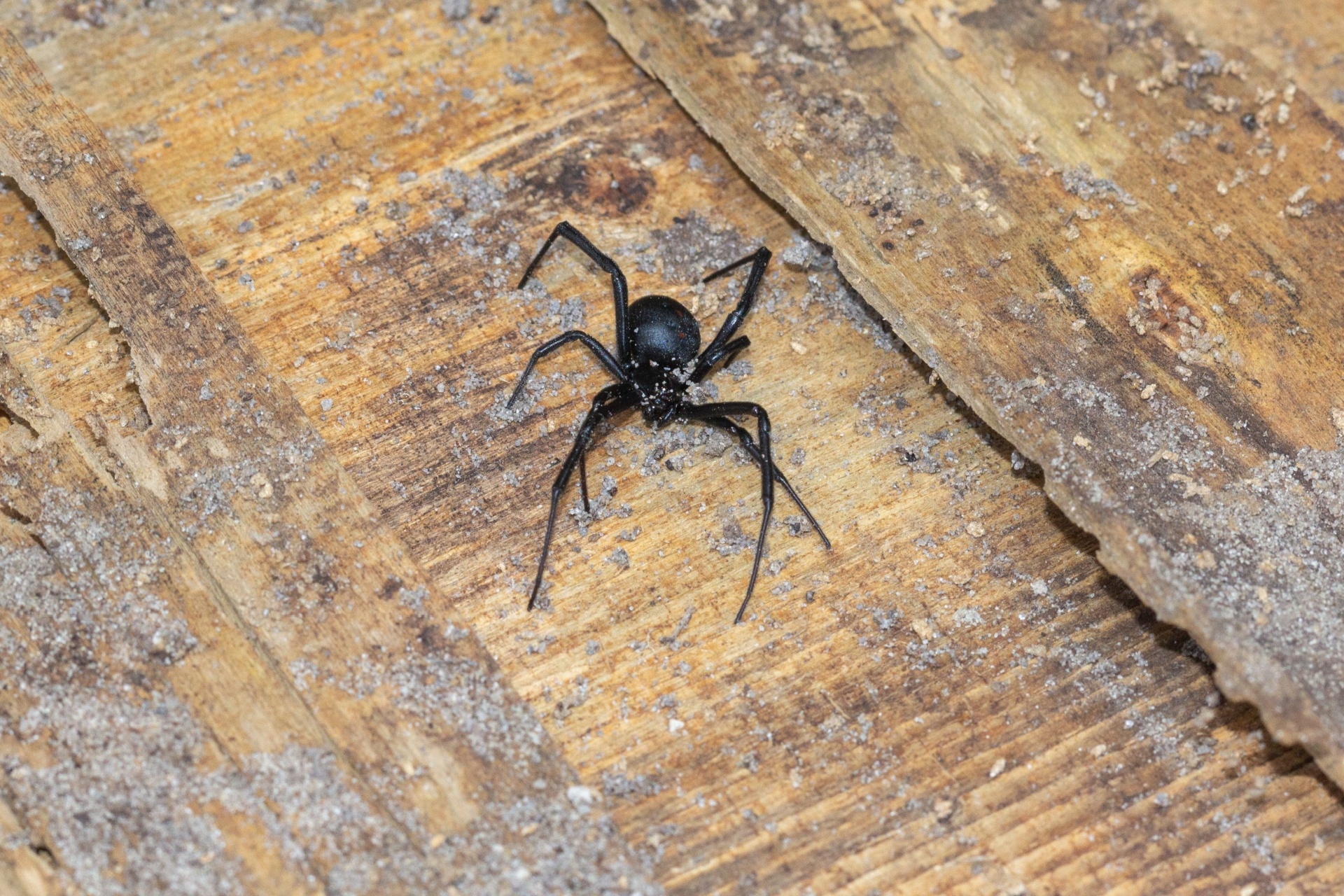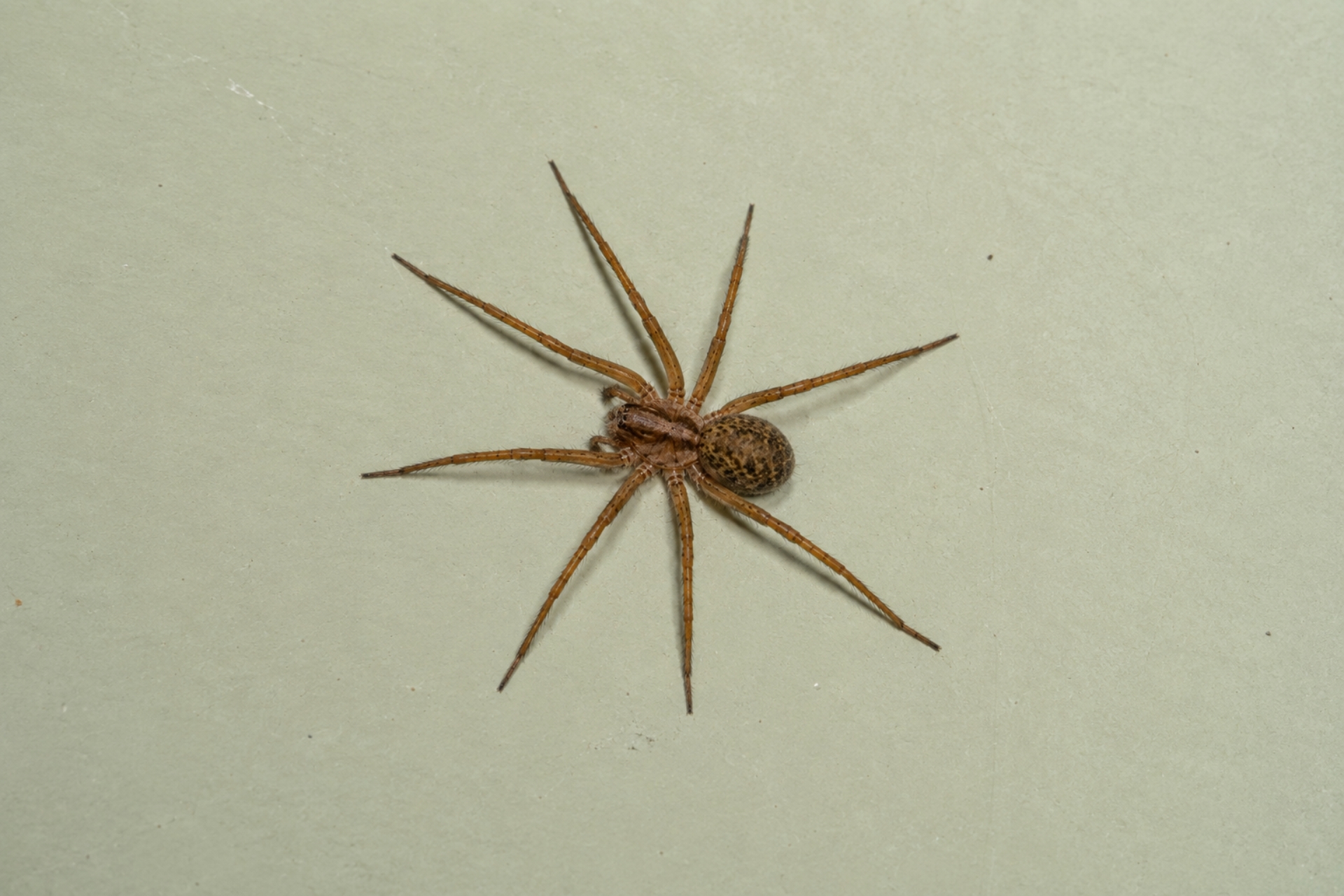


The ideal time for spider control in Portland is usually before spider activity becomes obvious. Throughout the year, changing temperatures, breeding cycles, and shifting insect populations influence where spiders live and how active they become around Portland homes. Waiting until spiders are highly visible often means they’ve already settled around your property.
Knowing how spider activity changes from season to season can help you choose the right time to protect your home. The following guide explains when spiders are most active, how their behavior changes throughout the year, and why timing plays an important role in achieving long-term spider control.
Why Spider Activity Changes Throughout the Year
Many of the spiders commonly found around Portland spend most of their lives outdoors, where they have easy access to food and shelter. Shrubs, gardens, woodpiles, fences, crawl spaces, and the exterior of homes all provide ideal environments for spiders to build webs or hunt insects without drawing much attention. Because these areas offer protection from predators and changing weather conditions, spiders often establish themselves near a property long before homeowners realize they’re there.
Throughout the year, changes in temperature, daylight hours, moisture levels, and insect activity naturally influence where spiders live and how active they become. During warmer months, many species remain outside where food is plentiful. As seasonal conditions begin to shift, some spiders expand their range, search for mates, or move into more sheltered areas near homes, making them far easier to spot than they were just a few weeks earlier.
Portland’s relatively mild climate allows many spider species to remain active for much longer than in regions with harsher winters. While freezing temperatures may slow their movement, spiders often survive in protected locations such as garages, crawl spaces, attics, and wall voids. Instead of disappearing completely during winter, many simply remain hidden until conditions become favorable again.
Because spider behavior changes from one season to the next, the most effective treatment strategy is one that stays ahead of these natural cycles. Preventing spiders from gaining a foothold around your home is generally much easier than trying to manage a larger population after it has already had time to grow.
Spring Is an Excellent Time for Preventive Treatments
Spring marks the beginning of a new activity cycle for many spider species found throughout the Portland area. As the weather becomes milder, spiders emerge from sheltered overwintering locations and begin establishing new webs in gardens, shrubs, fences, sheds, and along the exterior of homes. At the same time, insect populations begin increasing, creating ideal conditions for spiders to settle near residential properties.
Because spider populations are still developing during spring, this season provides homeowners with an opportunity to address the problem before it becomes more widespread. Smaller populations are generally easier to manage than those that have had several months to expand. Early treatment focuses on interrupting this process before spider populations have an opportunity to spread throughout the property.
Another advantage of spring treatment is that it creates a strong foundation for the months ahead. Addressing spider populations early often results in fewer webs appearing around entryways, patios, garages, and other exterior areas during summer and fall. Rather than reacting to visible spider problems later in the year, homeowners can take a proactive approach that helps keep populations lower from one season to the next.
Summer Brings Increased Outdoor Spider Activity
Summer provides ideal conditions for spiders to thrive outdoors. Longer daylight hours, consistently warm temperatures, and abundant insect activity allow many species to remain active around homes for extended periods. During this season, spiders are often busy maintaining webs and hunting for prey, making exterior structures some of the most common places for homeowners to notice them.
Porch lights, windows, deck railings, fences, patio furniture, and landscaping frequently become centers of spider presence because they attract flying insects after sunset. Even homes that appear clean and well maintained may develop new webs overnight simply because these areas provide reliable feeding opportunities. Removing visible webs may improve the appearance of your home, but it rarely addresses the larger population living nearby.
Summer is an ideal time to monitor changes in spider populations around your property. Regular inspections and exterior treatments help limit localized populations before seasonal behaviors begin shifting later in the year. Keeping outdoor spider numbers under control during summer often results in fewer unwanted encounters as fall approaches.
Fall Is When Most Homeowners Notice Spiders
For many homeowners, fall is the season when spiders suddenly seem to appear everywhere. Webs become easier to spot around windows and porches, while larger spiders may begin showing up in garages, basements, and even inside living areas. This noticeable increase often creates the impression that a new infestation has developed within just a few weeks.
The reason for this change is largely tied to spider behavior rather than a sudden population explosion. Many mature male spiders leave their usual hiding places during fall to search for mates, causing them to travel much greater distances than they do during the rest of the year. At the same time, cooler nights encourage spiders to spend more time in protected areas where temperatures remain stable.
By the time homeowners begin seeing spiders indoors on a regular basis, many have already been living near the home for months. Professional spider control during fall can still reduce populations, but scheduling treatment before seasonal movement begins often provides better long-term results than waiting until spiders become highly visible.
Winter Doesn’t Mean Spider Problems Are Gone
Spider movement generally slows during winter, but that doesn’t mean spiders disappear completely. Portland’s relatively mild climate allows many species to survive in protected locations throughout the colder months, especially where temperatures remain stable and shelter is readily available. As a result, spiders often remain close to homes even when they’re rarely seen.
Attics, crawl spaces, garages, storage rooms, and wall voids provide suitable overwintering sites where spiders can remain inactive for extended periods. Others continue hunting indoors if insects are available, making occasional winter sightings entirely possible. Since much of this happens out of view, homeowners may mistakenly assume the problem has resolved itself.
Winter offers an excellent opportunity to prepare for the next active season. Inspecting the home’s exterior, sealing potential entry points, and removing old webs can all help reduce places where spiders can hide once warmer weather returns. Completing these maintenance tasks during the quieter months helps support more effective year-round spider management.
Why Exterior Treatments Often Produce the Best Results
Many homeowners focus on the spiders they find inside their home because those are the ones they can easily see. However, indoor sightings are often only a small part of the overall problem. For many common spider species in the Portland area, the exterior of a property serves as their primary habitat. Eaves, siding, landscaping, fences, crawl space vents, woodpiles, and foundation walls all provide ideal places for spiders to build webs, hide during the day, and hunt for insects.
As outdoor populations grow, it’s common for some spiders to eventually wander indoors through small openings around doors, windows, utility penetrations, vents, or gaps in the home’s exterior. Once inside, they often settle in quiet areas with little foot traffic, such as garages, basements, crawl spaces, storage rooms, and utility areas. Removing only the spiders found indoors may provide temporary relief, but it does little to address the larger population continuing to live outside the home.
This is why professional spider control programs typically prioritize exterior treatments as the foundation of a lasting management strategy. Managing spider populations around the home’s perimeter helps limit the number that eventually find their way indoors while reducing the areas where webs are repeatedly built. Combined with a thorough inspection to identify entry points and conditions that attract spiders, exterior treatments provide a more comprehensive solution than relying on interior treatments alone.
Signs It’s Time to Schedule Spider Treatment
Spider problems don’t always begin with large spiders wandering through your home. In many cases, there are smaller warning signs that indicate spider populations are increasing around the property. Recognizing these early indicators allows homeowners to respond before spiders become more widespread or begin appearing regularly indoors.
Some of the most common signs include:
- Webs returning shortly after they’ve been removed: If you repeatedly clear webs from the same windows, porch lights, eaves, or garage corners and they quickly reappear, it’s often a sign that spiders are actively living and hunting along your home’s exterior.
- Frequent spider sightings in multiple rooms: Seeing an occasional spider is normal, but regularly finding spiders in bathrooms, basements, garages, bedrooms, or storage rooms may indicate a larger outdoor population that’s gradually making its way inside.
- Spider egg sacs attached to exterior structures: Egg sacs found beneath eaves, around sheds, on fences, or near windows can eventually produce dozens or even hundreds of young spiders. Removing these early can help prevent a noticeable increase in spider numbers later in the season.
- New webs appearing around entry points: Spiders often build webs near doors, windows, vents, and exterior lighting because these areas attract insects and provide easy access to sheltered locations. Consistent web-building in these areas may suggest spiders are regularly using these locations around your home’s perimeter.
- An increase in spider sightings during seasonal transitions: If you consistently notice more spiders during late summer or fall each year, it may indicate that spiders have been present on your property for months and are simply becoming easier to notice as their behavior changes.
- Spider sightings returning after basic cleaning: Vacuuming spiders and removing webs may temporarily improve appearance, but if the problem quickly returns, the source is often outside the home rather than inside it.
These signs don’t necessarily indicate a severe infestation, but they do suggest it’s a good time to have your property evaluated. Addressing the problem early, while populations are still manageable, often leads to more effective and lasting results than waiting until spiders become a regular part of your indoor environment.
Year-Round Prevention Delivers the Best Long-Term Results
Because Portland’s mild climate allows many spider species to remain active during much of the year, the most effective approach is to focus on prevention rather than waiting until spiders become highly visible. Routine inspections, seasonal exterior treatments, web removal, and sealing potential entry points all help minimize opportunities for spiders to settle around your home. Staying proactive from season to season often results in fewer indoor sightings and more consistent protection.
Knowing when to treat your home can be just as important as knowing how to treat it. Scheduling service before seasonal spider movement increases helps reduce the likelihood of larger populations continuing to grow throughout your property and minimizes the number of spiders that eventually find their way indoors. True Guard Pest and Wildlife develops treatment plans based on seasonal spider behavior, combining thorough property inspections, targeted exterior treatments, and detailed evaluations of the conditions that support spider populations around your home.
Choosing the right time to treat your home can make spider problems much easier to manage. Reach out to True Guard Pest and Wildlife to schedule your spider treatment.