
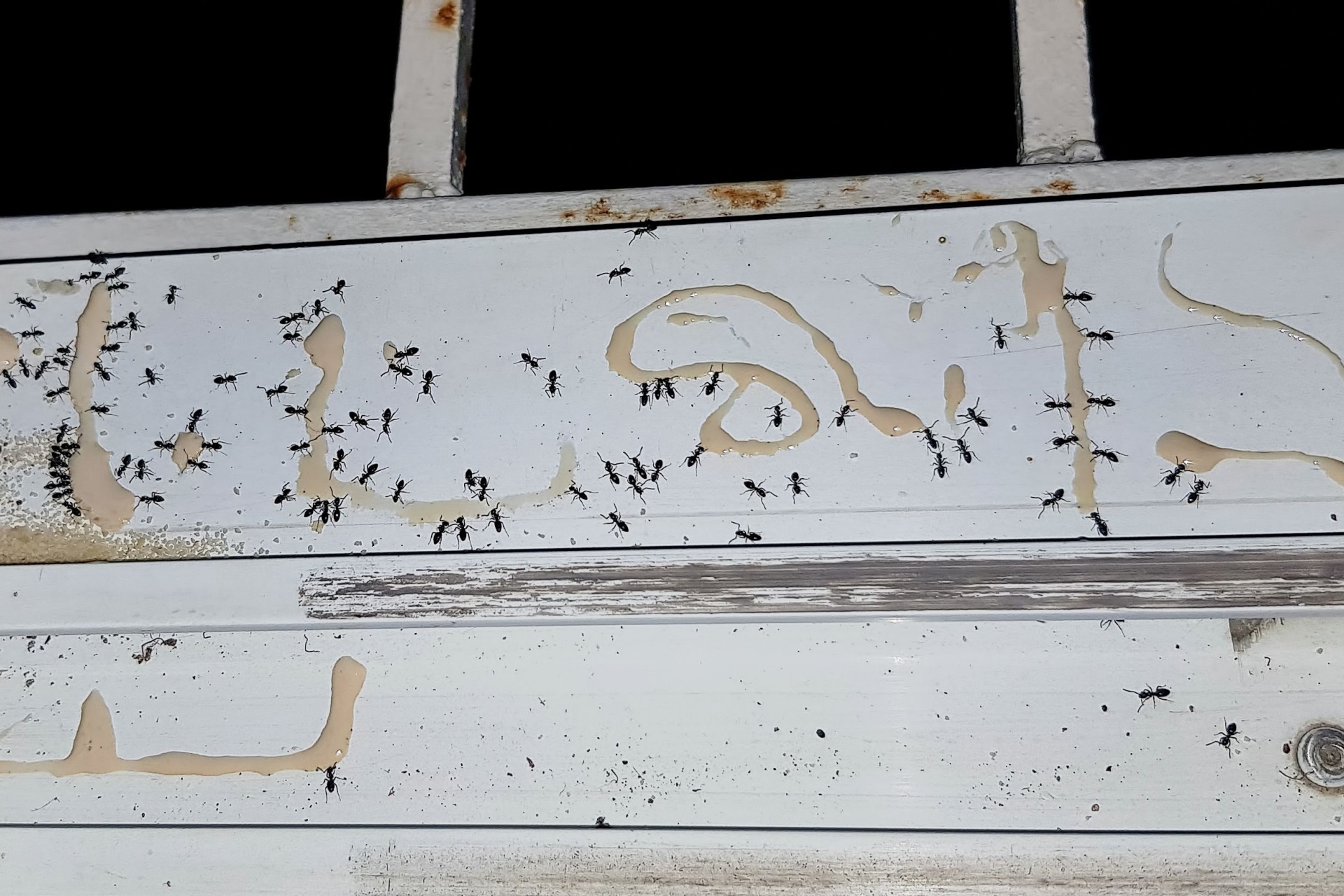
Ant problems in Portland tend to persist when homeowners try to manage them without understanding what is happening behind the walls, under the foundation, or in the crawl space. Professional ant control in Portland follows a structured process that goes beyond surface-level treatment to address the full scope of the infestation.
Here is what that process looks like from start to finish.
Step One: Inspection and Species Identification
Every professional ant treatment begins with an inspection. A technician examines the interior and exterior of the home to determine which ant species is present, where the colony is located, and how ants are getting inside.
Species identification is critical because different ants require different treatment approaches. Odorous house ants respond well to baiting systems, while carpenter ants may require direct treatment of nesting galleries inside wood. Moisture ants often indicate a hidden water problem that needs to be addressed alongside the pest treatment. Applying the wrong product—or applying the right product in the wrong way—can cause the colony to split or relocate, making the problem harder to solve.
During the inspection, the technician will also look for conditions that are contributing to the infestation, such as moisture issues, structural gaps, landscaping that provides ant highways to the home, and indoor food or water sources that are sustaining the colony.
Step Two: Customized Treatment Plan
There is no single treatment that works for every ant infestation. Professional ant control is built around the specific findings from the inspection.
Common treatment methods include:
- Baiting systems: Slow-acting baits are placed in areas where foraging ants are active. Worker ants carry the bait back to the colony, where it spreads to other members, including the queen. This is one of the most effective ways to eliminate the entire colony rather than just the visible ants.
- Non-repellent barrier treatments: Professional-grade products are applied around the home’s exterior perimeter. Unlike repellent sprays, these treatments are undetectable to ants, so they walk through the treated area and transfer the product to nestmates.
- Interior treatments: In cases where ants are nesting inside the structure, targeted applications are made in wall voids, under cabinets, around plumbing, and in other high-activity areas. These treatments use low-toxicity formulations that are safe for households with children and pets.
- Direct colony treatment: For carpenter ants and other species with identified nesting sites inside the structure, technicians may treat the nesting galleries directly to eliminate the colony at its source.
The treatment plan accounts for the species, the severity of the infestation, the layout of the home, and Portland’s climate conditions, which can affect how long treatments remain effective.
Step Three: Exclusion and Prevention
Eliminating the current colony is only part of the job. If the conditions that attracted ants in the first place are not addressed, new colonies will move in. Professional ant control includes recommendations and, in many cases, direct work to reduce future risk.
This may include sealing cracks and gaps around the foundation, windows, doors, and utility lines. It may also involve recommendations for moisture remediation, landscaping adjustments, and food storage practices.
In Portland’s wet climate, exterior conditions change frequently. Heavy rain can open new entry points, shift soil around foundations, and create new moisture problems that attract ants. Ongoing prevention services help catch these changes before they lead to a new infestation.
Step Four: Follow-Up and Monitoring
Professional ant control does not end with the initial treatment. Follow-up visits allow the technician to assess whether the treatment is working, check for signs of new activity, and make adjustments if needed.
Baiting systems in particular require monitoring, since it can take time for the product to circulate through a large colony. The technician will check bait stations, look for changes in ant activity, and confirm that the colony is declining.
For homeowners on a quarterly prevention plan, follow-up is built into the schedule. Each visit includes a fresh inspection and treatment adjustments based on current conditions and seasonal pest pressures.
Why Professional Treatment Outperforms DIY
The core difference between professional ant control and DIY methods comes down to colony elimination. Over-the-counter products—sprays, traps, and baits available at hardware stores—typically kill foraging ants on contact or in small numbers. They do not reach the colony, the queen, or the satellite nesting sites that many Portland ant species establish.
Professional treatments are formulated and applied to reach the entire colony. Combined with exclusion work and ongoing prevention, this approach breaks the cycle of recurring infestations that Portland homeowners frequently experience.
True Guard Pest and Wildlife provides professional ant control tailored to Portland’s climate and pest pressures. If ants are active in your home, request a free estimate to get started.