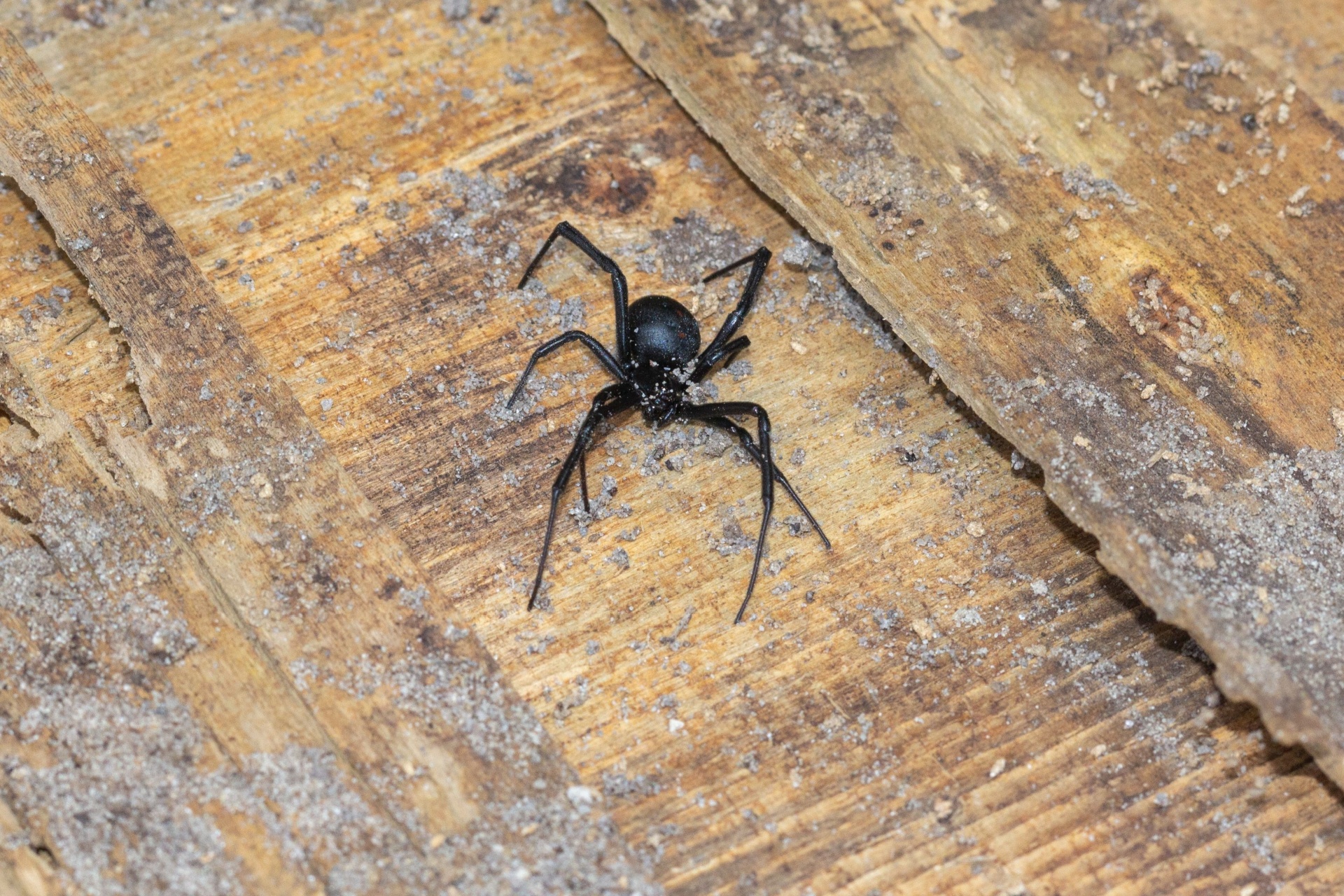

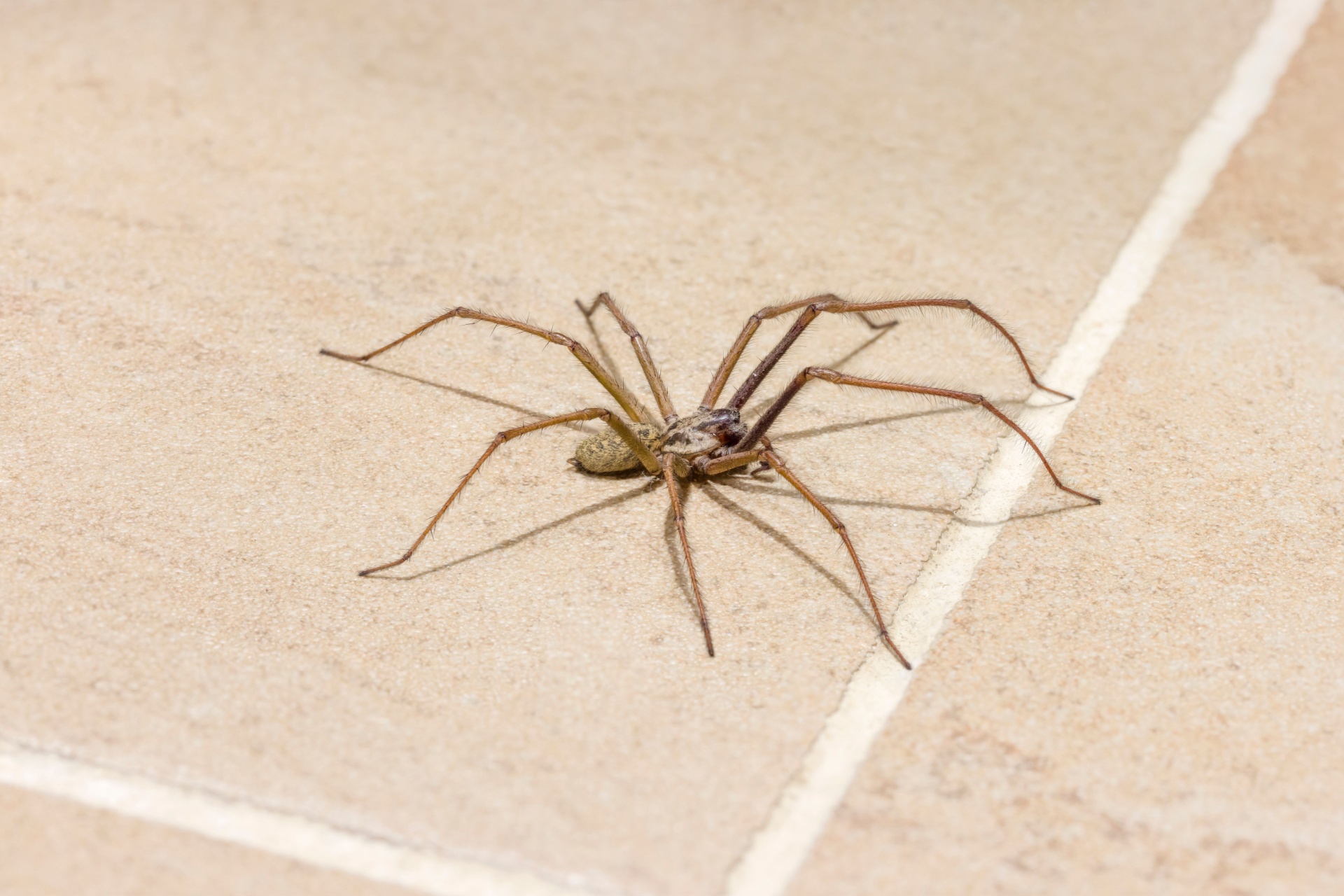
Portland is known for its frequent rain, mild temperatures, and lush landscapes, but those same conditions also create an environment where spiders can thrive. Unlike areas with long periods of hot, dry weather, the Portland region stays damp for much of the year, providing steady moisture, abundant insect activity, and plenty of sheltered places for spiders to live. As a result, many homeowners notice webs appearing around their property more often than they expect, even if they rarely saw spiders elsewhere.
It’s no surprise that many people begin looking into Portland spider control after finding webs around entryways, garages, crawl spaces, or outdoor living areas. While spiders are a natural part of the local ecosystem, Portland’s wet climate gives them several advantages that help them survive, reproduce, and remain active around residential properties for much of the year. Those conditions can make spider encounters feel much more common, especially when favorable habitats exist right outside the home.
Portland’s Climate Gives Spiders More Time to Thrive
Unlike regions with long, freezing winters or extended dry seasons, Portland experiences relatively mild weather throughout the year. Regular rainfall, moderate temperatures, and higher humidity create favorable conditions for many spider species to remain active for longer periods. Rather than facing harsh seasonal changes that significantly reduce their numbers, spiders often continue living and hunting around residential properties throughout much of the year.
Many common spiders spend spring and summer outdoors, taking advantage of gardens, shrubs, fences, crawl spaces, woodpiles, and landscaping where insects are abundant. These areas provide reliable food sources and sheltered places to build webs or hunt. Because moisture remains available for much of the year, insects continue to thrive, giving spiders a steady supply of prey.
Instead of being limited to a short active season, many local spider species can continue feeding and reproducing under Portland’s favorable conditions well into the cooler months. As a result, homeowners may encounter spiders around their property during nearly every season, especially in protected outdoor areas where moisture and food remain readily available.
Moisture Keeps the Food Chain Moving
Spiders don’t invade homes because they’re interested in people—they follow their food source.
Portland’s damp environment supports many insects that depend on moisture to survive. As insect populations increase around a property, spiders naturally establish themselves nearby to hunt. Areas with frequent rainfall, dense vegetation, and consistently damp conditions often provide everything insects need, making them ideal hunting grounds for both web-building and hunting spiders.
Common moisture-loving insects that attract spiders include:
- Mosquitoes, which breed in standing water found in clogged gutters, birdbaths, puddles, and other areas where rainwater collects.
- Fungus gnats, which thrive in damp soil, mulch, potted plants, and decaying organic matter commonly found in shaded landscapes.
- Flies, especially around moist garbage, compost bins, pet waste, and other organic materials that remain damp after rainfall.
- Ants, which often become more active in search of food and moisture, particularly around foundations, patios, kitchens, and irrigated landscaping.
- Small moths, many of which gather around exterior lights during the evening, creating easy feeding opportunities for web-building spiders.
- Beetles, which commonly live beneath mulch, leaf litter, logs, and other moisture-retaining materials that provide shelter for both insects and spiders.
The more insects your property supports, the more attractive it becomes to hunting spiders and web-building species alike. Reducing excess moisture and limiting insect activity outdoors can often make your home less appealing to spiders over time.
Landscaping Creates the Shelter Spiders Need
Portland neighborhoods are known for their mature trees, evergreen shrubs, dense hedges, ivy, and well-established landscaping. While these features enhance curb appeal and provide shade, they also create excellent habitats for spiders. Thick vegetation retains moisture long after rainfall, offers protection from wind and direct sunlight, and provides countless places where spiders can build webs or remain hidden during the day.
Landscaped areas support a wide variety of insects, making them productive hunting grounds. Flowering plants attract pollinators, mulch and leaf litter provide shelter for beetles and other crawling insects, and shaded gardens often remain damp enough to sustain moisture-loving pests. Whether a spider builds a web between branches or actively hunts along the ground, these environments provide a dependable food source along with the shelter needed to remain active for extended periods.
When vegetation grows close to a home’s exterior, spiders can gradually expand their activity from the landscape to the structure itself. Shrubs touching siding, vines climbing exterior walls, overgrown plants around windows, and tree branches hanging over the roof create natural pathways that bring spiders closer to potential entry points. Keeping landscaping well maintained and leaving some clearance around the home’s exterior can help reduce the likelihood of spiders settling near doors, windows, and other areas where they may eventually find their way indoors.
Heavy Rain Changes Where Spiders Take Cover
Spiders thrive in Portland’s humid climate, but prolonged or heavy rainfall can still disrupt their outdoor habitats. Constant rain can damage webs, flood hiding places beneath rocks and debris, and make some hunting areas less effective. When these conditions persist, many spiders begin searching for more sheltered locations where they can remain protected while continuing to find food.
Garages, sheds, crawl spaces, covered patios, and other protected areas provide the stable conditions spiders prefer during extended wet weather. These spaces shield them from heavy rain while still offering access to insects that may have sought shelter for the same reason. As a result, homeowners often notice more spider activity around these areas during periods of frequent rainfall.
This doesn’t necessarily mean spiders are trying to establish themselves indoors permanently. In many cases, they’re simply taking advantage of temporary shelter until outdoor conditions become more favorable. Homes with small cracks, damaged weather stripping, gaps beneath doors, or openings around utility lines make it easier for spiders to move from the exterior into protected areas around the home.
Mild Winters Keep Spider Activity Going
In colder parts of the country, extended periods of freezing weather naturally reduce spider activity by limiting access to food and forcing many species into dormant or less active states. Portland’s winters, however, are generally much milder, allowing many spiders to remain active in sheltered outdoor environments. Crawl spaces, garages, woodpiles, under decks, dense shrubs, and other protected areas provide enough cover from the elements for spiders to continue surviving through much of the season.
Because spider populations don’t experience the same seasonal decline seen in harsher climates, homeowners may encounter spiders during nearly every time of year. Fall often brings the greatest increase in sightings as mature spiders search for mates, but many remain present well into winter whenever food and shelter are available. This extended period of activity means spiders can quickly reestablish themselves around a property when favorable conditions persist, particularly in Portland’s consistently mild and damp climate.
Moisture Around the Home Gives Spiders Another Advantage
Not every spider problem begins outdoors. Excess moisture around the home can create indoor conditions that attract insects, which in turn attract spiders looking for reliable food sources. Damp, undisturbed areas often provide the humidity and shelter that both insects and spiders prefer, making certain parts of a home more susceptible to recurring spider activity.
Common moisture-related issues include leaking pipes, damp crawl spaces, poor attic ventilation, overflowing gutters, condensation around windows, standing water near foundations, and water intrusion after heavy rainfall. When these problems go unaddressed, they can encourage moisture-loving insects to remain active around the property, creating a steady food supply that allows spiders to establish themselves nearby.
These areas tend to stay cooler, darker, and more humid than the rest of the home, making them ideal hiding places. Correcting moisture issues, improving ventilation, and repairing water leaks can help reduce conditions that attract insects while making the property less favorable for spiders over time.
When Wet Weather Meets the Right Strategy
Portland’s wet climate may create ideal conditions for spiders, but that doesn’t mean frequent spider encounters are inevitable. Reducing moisture around the home, limiting insect populations, maintaining landscaping, sealing common entry points, and addressing areas where spiders can hide all work together to make a property less inviting. Since Portland’s climate naturally supports spiders throughout much of the year, a proactive approach focused on prevention is often the most effective way to reduce recurring spider problems before they become more difficult to manage.
True Guard Pest and Wildlife understands the challenges created by Portland’s wet climate and how they contribute to ongoing spider issues. Rather than simply treating visible spiders, our pest management experts focus on moisture, insect activity, entry points, and harborage areas that allow spiders to thrive around your property. To reduce the impact of Portland’s spider-friendly environment, reach out to True Guard Pest and Wildlife for targeted spider control services that eliminate the factors drawing spiders to your home and help create a less inviting environment year-round.