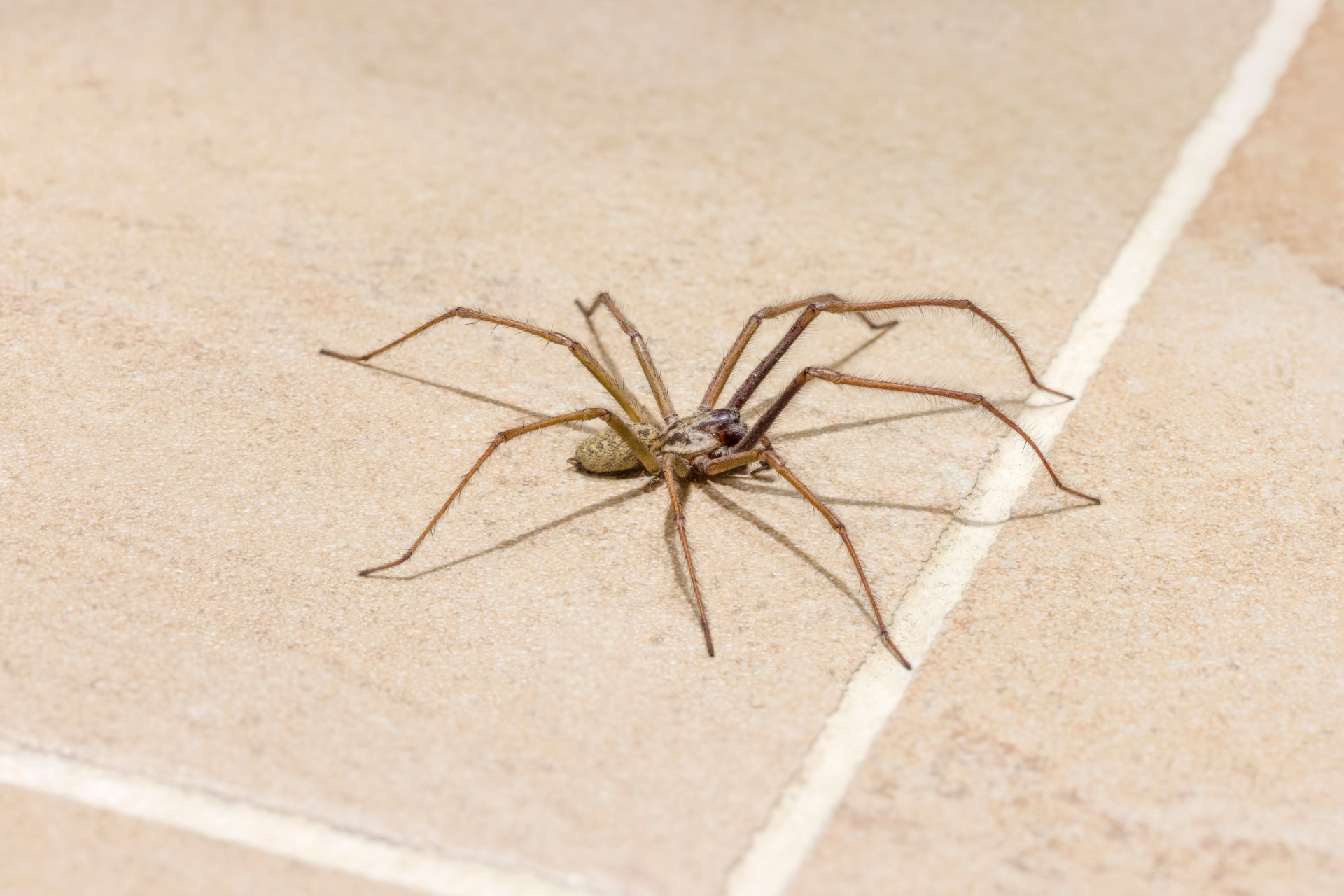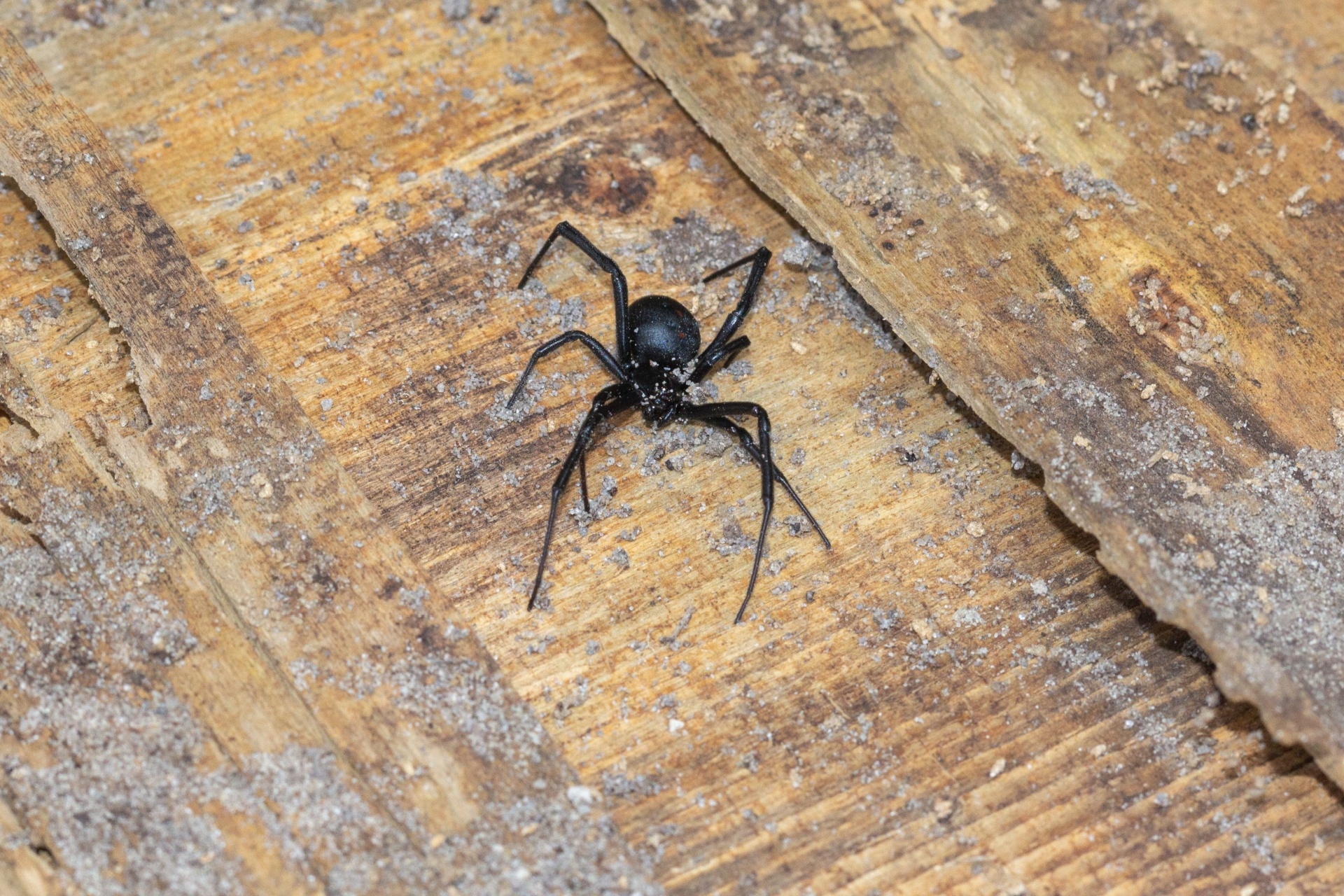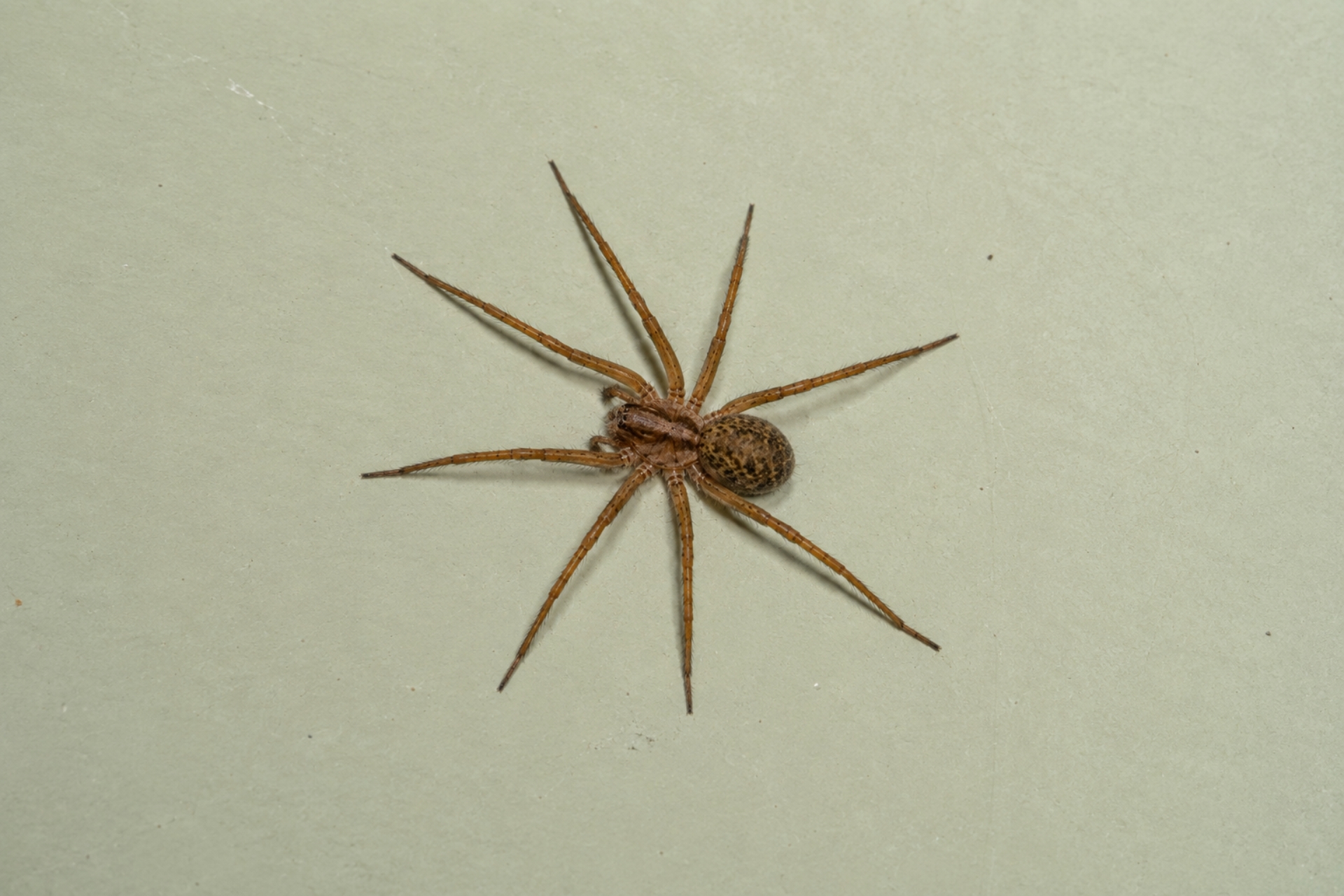


Giant house spiders are among the largest spiders homeowners commonly encounter in Portland, and their appearance often sparks more concern than the actual risk they pose. Finding them inside your home from time to time isn’t unusual, but recurring sightings can be a sign that spiders have found easy access to food, shelter, and hiding places. In those situations, professional spider control in Portland can help identify what’s attracting them and reduce the likelihood of recurring spider problems.
What Is a Giant House Spider?
The giant house spider (Eratigena duellica and closely related species) is a member of the funnel weaver family and one of the most recognizable spiders found throughout the Pacific Northwest. Introduced from Europe many years ago, it has become well established across Oregon and Washington, where the region’s cool, damp climate provides ideal conditions for it to thrive.
Unlike orb-weaving spiders that spin circular webs outdoors, giant house spiders build flat, sheet-like webs with a funnel-shaped retreat where they wait for insects to wander close enough to capture. While they often remain hidden, they can become surprisingly visible when they leave their webs to search for food or mates.
Their size is one of the main reasons they attract attention. Adult giant house spiders can have a leg span approaching four inches, making them one of the largest spiders homeowners are likely to encounter indoors. Despite their intimidating appearance, these spiders spend most of their time avoiding people and seeking quiet, undisturbed places to live.
Are Giant House Spiders Actually Dangerous?
For most homeowners, the simple answer is no. Despite their large size and fast movements, giant house spiders are not considered medically significant to humans. They are naturally shy and typically try to escape when disturbed instead of standing their ground. Bites are uncommon and usually occur only if a spider becomes trapped against the skin, such as inside clothing or when someone accidentally grabs it.
If a bite does occur, most people experience only mild, temporary symptoms, such as:
- Localized redness around the bite that typically remains confined to a small area.
- Minor swelling that often subsides within a day or two without medical treatment.
- Mild pain or tenderness, often compared to a bee sting or small insect bite.
- Itching or slight skin irritation that gradually improves as the area heals.
- No lasting health effects for most healthy adults, with symptoms usually resolving on their own in a short period.
Serious reactions are extremely rare. If someone experiences severe pain, difficulty breathing, widespread swelling, or signs of an allergic reaction after any spider bite, they should seek prompt medical attention. For most people, however, the greatest concern isn’t the spider itself—it’s the surprise of seeing such a large spider suddenly run across the floor.
Why Are Giant House Spiders So Common in Portland?
Portland’s climate creates an ideal environment for giant house spiders. The combination of moderate temperatures, frequent rainfall, and consistent moisture allows both spiders and the insects they feed on to remain active throughout much of the year.
Homes provide even better conditions. Basements, crawl spaces, garages, and storage rooms often offer stable temperatures, protection from predators, and plenty of quiet areas where spiders can build their webs without disturbance.
Many homeowners begin noticing giant house spiders during late summer and fall. This seasonal increase is largely tied to their mating cycle, when mature males leave their webs in search of females. As they wander through garages, hallways, and basements, they’re simply much more likely to be seen.
Why Do Giant House Spiders Enter Homes?
Giant house spiders aren’t searching for people—they’re searching for places that meet their basic survival needs.
Homes become attractive when they offer easy access to insects, moisture, shelter, and entry points from outside. Once indoors, spiders often remain hidden until something causes them to move around.
Several conditions can make your home especially inviting to giant house spiders, including:
- Moist basements and crawl spaces that provide stable humidity and quiet hiding places where spiders can build webs with minimal disturbance.
- Cluttered storage areas, especially those filled with cardboard boxes and seldom-used belongings, which create countless protected spaces for spiders to rest and hunt.
- Small cracks, gaps, and openings around doors, windows, foundations, vents, and utility penetrations that allow spiders to move indoors from surrounding landscapes.
- Garages and utility rooms that experience little daily activity, giving spiders a safe environment to establish webs and capture insects.
- Outdoor lighting near entry points that attracts moths, flies, and other flying insects, creating a dependable food source just outside—or even inside—your home.
- Dense landscaping and vegetation that touches the exterior of your home, making it easier for spiders to travel from shrubs, ground cover, and mulch into nearby openings.
Many homeowners are surprised to learn that spiders themselves usually aren’t the primary issue. Instead, they’re responding to favorable conditions that provide shelter and a steady supply of insects to feed on. Reducing those conditions often goes much further than simply removing the spiders you happen to see.
Do Giant House Spiders Help Control Other Pests?
In many ways, yes. Giant house spiders are beneficial predators that feed on a variety of insects commonly found around homes. Their diet often includes flies, moths, beetles, silverfish, ants, and other crawling insects. By reducing insect populations, they play a natural role in the ecosystem.
However, that doesn’t necessarily mean homeowners want them living indoors. Even if they’re harmless, large spiders running across the floor or appearing in dark corners can be unsettling for many people. The goal isn’t to eliminate every spider outdoors but to keep them from becoming regular visitors inside your home.
How Can You Make Your Home Less Attractive to Giant House Spiders?
Because spiders follow food and shelter, prevention usually focuses on making your home less inviting.
Simple maintenance can go a long way toward reducing spider sightings.
Some of the most effective prevention measures include:
- Seal cracks and gaps around doors, windows, vents, and foundations, since these openings often allow spiders and the insects they hunt to move indoors.
- Keep garages, basements, crawl spaces, and storage rooms organized, reducing the quiet hiding places where giant house spiders prefer to remain undisturbed.
- Reduce excess moisture in damp areas, as humid conditions support many of the insects that attract giant house spiders.
- Remove webs and egg sacs whenever you find them, helping discourage spiders from remaining in the same areas over time.
- Limit outdoor insect activity near entry points, since giant house spiders often follow their prey rather than actively seeking homes.
- Trim vegetation away from your home’s exterior, making it more difficult for spiders to travel from landscaping to your home’s entry points.
- Address recurring insect problems promptly, because fewer insects mean fewer food sources for giant house spiders.
These steps don’t just discourage giant house spiders—they also help make your home less attractive to many other common household pests.
When Should You Consider Professional Help?
Occasionally seeing a giant house spider inside your home isn’t unusual, particularly during the fall. However, frequent sightings often suggest there’s an underlying issue that deserves attention.
You may want to schedule a professional inspection if you notice:
- Giant house spiders appearing throughout different areas of your home, suggesting they’re not simply wandering indoors but may have found favorable conditions nearby.
- Numerous webs collecting in garages, crawl spaces, or basements, indicating that spiders have established themselves in quiet, undisturbed areas.
- Spider egg sacs around storage areas or hidden corners, increasing the likelihood of more spiders appearing once they hatch.
- An increase in insects that provide food for spiders, allowing them to remain active inside your home.
- Spiders repeatedly entering living spaces, rather than remaining in less frequently used areas.
- The problem continues despite regular cleaning and home maintenance, which may point to hidden entry points or conditions that require a more comprehensive solution.
Rather than focusing only on the spiders you can see, it’s important to determine why they’re choosing your home in the first place. If giant house spider sightings suggest it’s time for professional help, choosing the right approach can help resolve the problem at its source. True Guard Pest and Wildlife focuses on identifying the conditions that allow spiders to thrive, creating customized treatment plans, and implementing long-term prevention strategies tailored to your home’s specific needs. For homeowners dealing with ongoing spider problems in Portland, contact True Guard Pest and Wildlife today.