
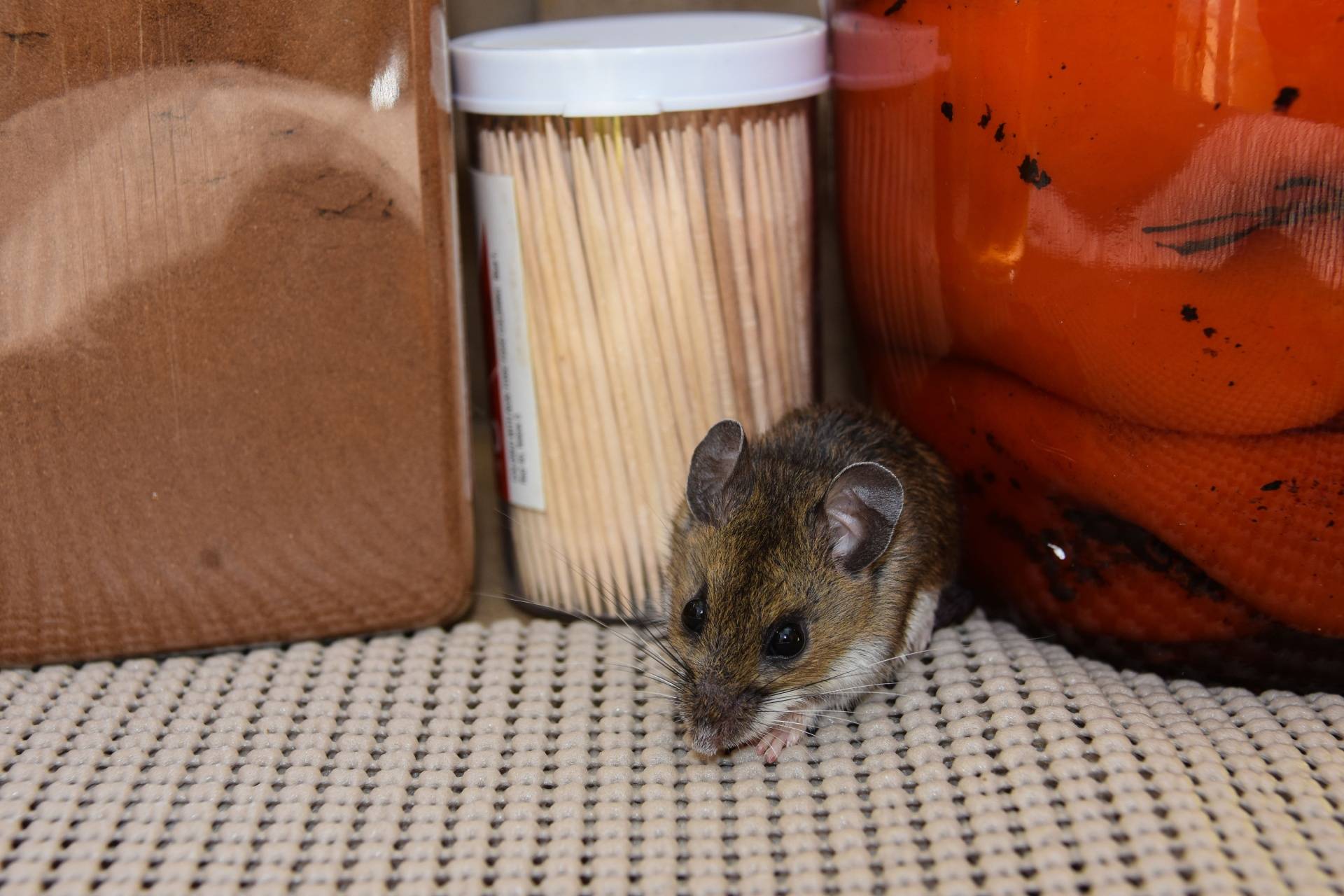
Rodent infestations are a widespread issue for homeowners throughout the Portland area. While many people use the word “rodents” as a general term, several different species are responsible for most residential infestations. Each type of rodent behaves differently, nests in different locations, and requires a targeted approach for effective control. Understanding which rodents are most common in Portland – and how they operate – can help homeowners recognize problems early and take appropriate action. When rodents become established inside a home, professional rodent control in Portland is often the most reliable way to eliminate the infestation and prevent it from returning.
Why Rodents Thrive in the Portland Area
Portland’s mild, wet climate and dense urban environment create ideal conditions for a wide range of rodent species. Unlike regions with extreme cold or prolonged dry seasons, Portland offers year-round access to food, water, and shelter.
Rodents thrive in this region because:
- Frequent rainfall keeps soil soft for burrowing
- Moderate temperatures allow year-round activity
- Abundant vegetation provides cover and nesting sites
- Urban development supplies constant food sources
These conditions support stable rodent populations that continuously pressure residential neighborhoods.
House Mice: Small but Highly Invasive
House mice are one of the most common rodents found inside Portland homes. Despite their small size, they can cause serious problems once they gain entry.
Key characteristics of house mice include:
- Ability to squeeze through openings as small as a dime
- Rapid breeding cycles that lead to fast population growth
- Nesting in wall voids, cabinets, attics, and basements
- Contaminating food and surfaces with droppings and urine
Because they are quiet and primarily nocturnal, homeowners often do not realize mice are present until the infestation has already expanded.
Rats: Larger and More Destructive
Rats are less common indoors than mice, but when they do invade a home, the damage is often more severe. In Portland, the two most common rat species encountered near residential properties are Norway rats and roof rats.
Rats are known for:
- Gnawing on wood, plastic, drywall, and electrical wiring
- Burrowing near foundations, patios, and sheds
- Nesting in crawl spaces, attics, garages, and wall voids
- Traveling long distances in search of food and shelter
Rats are highly cautious and intelligent, which often makes them harder to trap using basic DIY methods.
Voles: Often Overlooked but Highly Destructive Outdoors
Voles are small, stocky rodents that are frequently mistaken for mice. While they rarely enter homes, voles cause extensive damage to lawns, gardens, and landscaping throughout the Portland area.
Voles are responsible for:
- Tunneling through turf and soil
- Chewing on roots, bulbs, and shrubs
- Creating visible runways across lawns
- Damaging irrigation systems
Although voles usually remain outdoors, their burrowing activity can bring them close to foundations and crawl spaces, increasing the risk of indoor entry.
How These Rodents Get Inside Homes
Rodents use a wide range of entry points to access homes.
Common access points include:
- Foundation cracks and settling gaps
- Gaps around plumbing and utility lines
- Damaged siding or roofing materials
- Open vents and crawl space doors
- Garage doors and weather-stripping gaps
Once rodents find an opening, they continue using the same access route and leave scent trails that attract others.
Why Rodent Infestations Escalate Quickly
Rodents reproduce rapidly, and small infestations can grow into major problems within a short period of time.
As populations increase:
- Food contamination spreads
- Structural damage becomes more severe
- Odors from droppings and nests develop
- Rodents move into new areas of the home
Because rodents remain hidden for most of the day, homeowners often underestimate the severity of the problem.
Why DIY Rodent Control Often Fails
Store-bought traps and baits may catch individual rodents, but they rarely eliminate the entire infestation.
DIY methods fail because:
- Nesting areas are not located
- Entry points remain open
- Breeding populations continue growing
- New rodents migrate in from outside
Without proper inspection and exclusion work, infestations almost always return.
How Professional Rodent Control Makes a Difference
Professional rodent control focuses on both removal and long-term prevention.
Services typically include:
- Identifying the rodent species involved
- Locating nests and travel paths
- Sealing entry points and access gaps
- Strategic trapping and control
- Preventive recommendations
This comprehensive approach helps prevent rodents from returning after initial removal.
Take Action Before Rodents Multiply
The longer a rodent problem is left untreated, the more difficult and costly it becomes to resolve.
If you’ve noticed scratching noises, droppings, chewed materials, or other signs of rodent activity, reach out to True Guard to schedule an inspection and learn more about our rodent control services in Portland and the surrounding areas.