
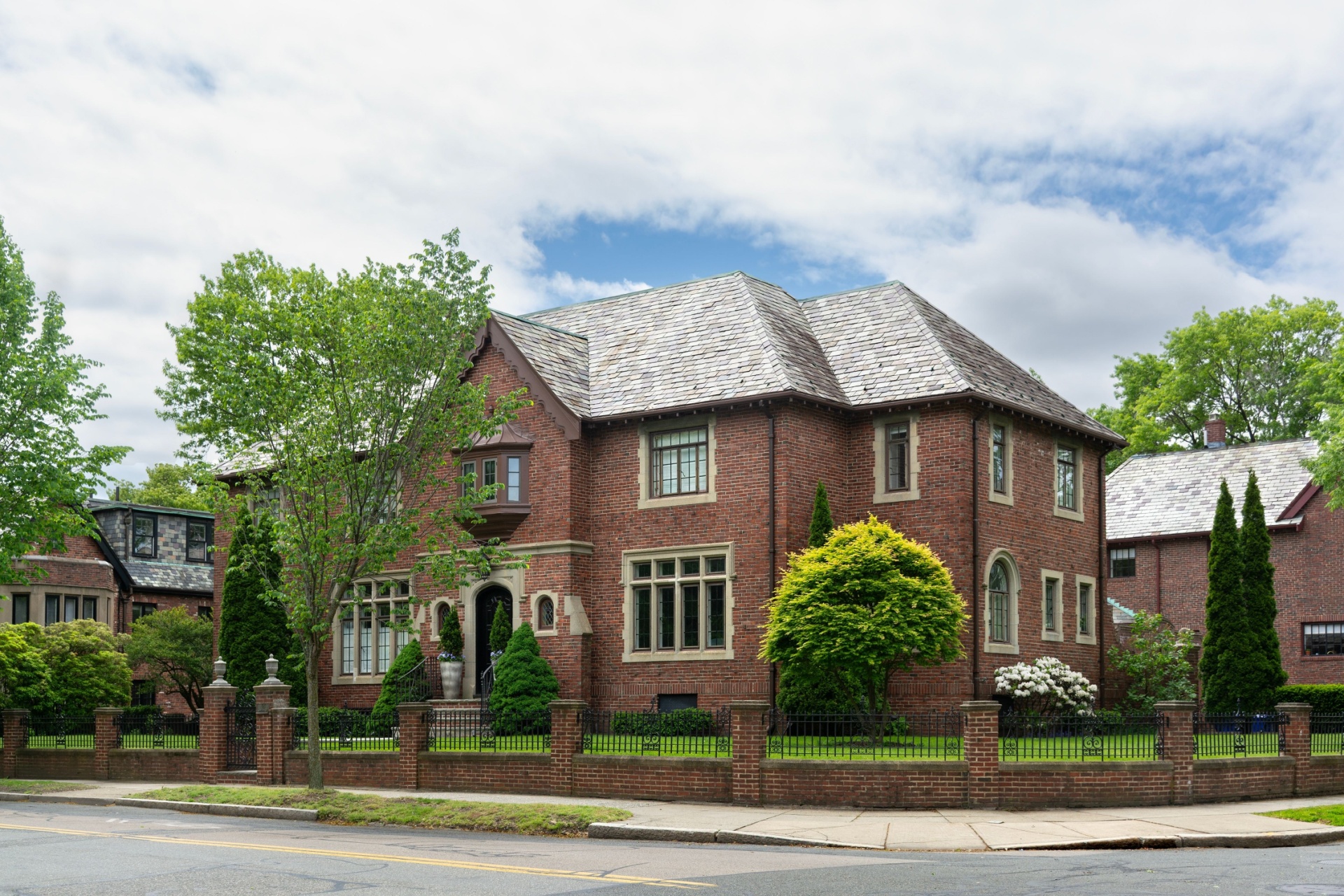
Eastmoreland’s grand historic homes face persistent challenges from three primary pest categories—ants, rodents, and spiders. While each pest type presents different challenges, all three commonly affect Eastmoreland properties and require professional management to prevent damage and maintain comfortable living conditions. True Guard Pest & Wildlife specializes in protecting Eastmoreland’s historic homes from the ants, rodents, and spiders that most frequently plague this distinctive neighborhood.
Carpenter Ants Threaten Structural Integrity
Carpenter ants represent the most serious ant problem in Eastmoreland. These large black ants—about half an inch long—don’t eat wood but excavate it to create nesting galleries. They’re particularly attracted to wood that has been softened by moisture, making older homes with decades of water exposure highly vulnerable. Common nesting sites include window frames, door jambs, porch columns, siding, and any structural wood near plumbing or roof leaks. Carpenter ants establish parent colonies in trees and landscape features throughout Eastmoreland, then create satellite colonies inside nearby homes. Professional treatment addresses both outdoor colonies and indoor nests, preventing the progressive structural damage these ants cause.
Odorous House Ants Invade Kitchens
Odorous house ants are the most common nuisance ants in Eastmoreland homes. These small brown or black ants release a distinctive coconut-like odor when crushed. They nest in wall voids, under foundations, or in nearby landscaping, sending persistent foraging trails into kitchens and bathrooms seeking food and water. The problem intensifies in spring and summer when colonies are most active. DIY treatments often fail because they only kill foraging workers while colonies remain safely hidden. Professional ant control locates and eliminates entire colonies, providing long-term relief.
Moisture Ants Indicate Underlying Problems
Moisture ants appear frequently in Eastmoreland homes with crawl spaces or areas affected by water intrusion. These small yellowish ants specifically target decaying wood, serving as an early warning system for moisture problems that could lead to more serious issues. Their presence indicates conditions favorable to wood rot and other wood-destroying pests. Professional pest control specialists identify both the ant colonies and the moisture sources causing them, allowing homeowners to address complete problems rather than just symptoms.
Mice Are the Most Common Rodents
House mice represent the primary rodent pest in Eastmoreland. These small rodents can squeeze through openings the size of a dime, exploiting the numerous entry points that develop in homes built 80–100 years ago. Common entry points include gaps around utility lines, cracks in foundations, spaces around doors and windows, and openings in crawl space vents. Mice nest in wall voids, attics, and crawl spaces, causing damage to insulation, wiring, and stored items. They contaminate food and surfaces with droppings and create health hazards. Professional rodent control includes identifying and sealing entry points, eliminating current populations, and preventing future infestations.
Rats Also Affect Eastmoreland Properties
Norway rats and roof rats occur throughout Eastmoreland, though less frequently than mice. These larger rodents require bigger entry points—about the size of a quarter—but cause more extensive damage once inside. Rats are particularly problematic in homes near green spaces, as they use parks and landscaping as habitat. They’re intelligent, cautious animals that often avoid traps and baits placed by homeowners. Professional rat control uses strategic placement of treatments combined with exclusion work to eliminate infestations.
Rodent Prevention Requires Professional Expertise
Effective rodent control in historic Eastmoreland homes requires more than trapping. Professional treatment includes thorough inspection to identify entry points, exclusion work to seal access, sanitation recommendations to remove attractants, and monitoring to ensure populations don’t return. Historic homes present unique challenges because exclusion work must respect original architecture and materials. Experienced pest control technicians understand how to protect homes effectively while maintaining their character.
Giant House Spiders Are Common Sightings
Giant house spiders are among the most frequently encountered spiders in Eastmoreland homes. These large, fast-moving spiders startle homeowners but are actually harmless. They enter homes from surrounding vegetation, seeking prey and shelter. While they don’t cause damage or pose health risks, their size and speed create significant nuisance problems. Professional pest control reduces spider populations through exterior barrier treatments that prevent entry.
Hobo Spiders Seek Indoor Shelter
Hobo spiders commonly appear in Eastmoreland homes, particularly in basements, crawl spaces, and ground-level areas. These brown spiders build funnel-shaped webs and are often found in dark, undisturbed locations. While their bite can cause localized reactions, they’re not aggressive and only bite if trapped against skin. Regular professional pest control treatments significantly reduce hobo spider populations around and inside homes.
Common House Spiders Establish Webs
Common house spiders build cobwebs in corners, along ceiling lines, in closets, and in other protected areas throughout Eastmoreland homes. While these spiders help control other insect pests, their webs create housekeeping problems and accumulate over time. The spiders themselves are harmless, but their presence indicates that other insects—their food source—are also present. Professional pest control reduces both spider populations and the insects they feed on.
Seasonal Spider Activity Increases in Fall
Spider activity in Eastmoreland homes peaks during fall when outdoor spiders seek indoor shelter from cooling temperatures. This seasonal movement brings large numbers of spiders indoors within a short period. Homeowners often notice sudden increases in spider sightings during September and October. Professional pest control implemented before fall prevents this seasonal invasion.
Integrated Pest Management Addresses All Three
Effective control of ants, rodents, and spiders in Eastmoreland requires integrated pest management approaches. Exterior treatments create barriers preventing entry. Interior treatments address existing populations. Exclusion work seals entry points. Habitat modification removes conditions attractive to pests. Regular monitoring catches new activity early. This comprehensive approach provides better long-term results than targeting individual pests in isolation.
Historic Homes Require Specialized Treatment
Protecting Eastmoreland’s historic homes requires pest control approaches that respect original architecture while providing effective protection. Professional technicians understand how to treat older homes without damaging historic features, where pests commonly enter historic construction, and how to customize treatments for each property’s unique characteristics.
Keep your Eastmoreland home free from ants, rodents, and spiders. Reach out to True Guard Pest & Wildlife for professional pest control services designed specifically for historic Portland homes. Contact us now to schedule your free inspection.