
It is easy to dismiss a few rodent droppings in your garage as a minor nuisance. After all, garages are semi-outdoor spaces where some wildlife interaction seems inevitable, right? Wrong. Rodent droppings in your garage signal problems that require immediate attention. What starts as occasional droppings near stored items quickly escalates into full-scale infestations that threaten your home, health, and vehicles. Understanding why rodent control in garages matters prevents small problems from becoming expensive disasters in your Portland home.
Droppings Mean Active Infestation
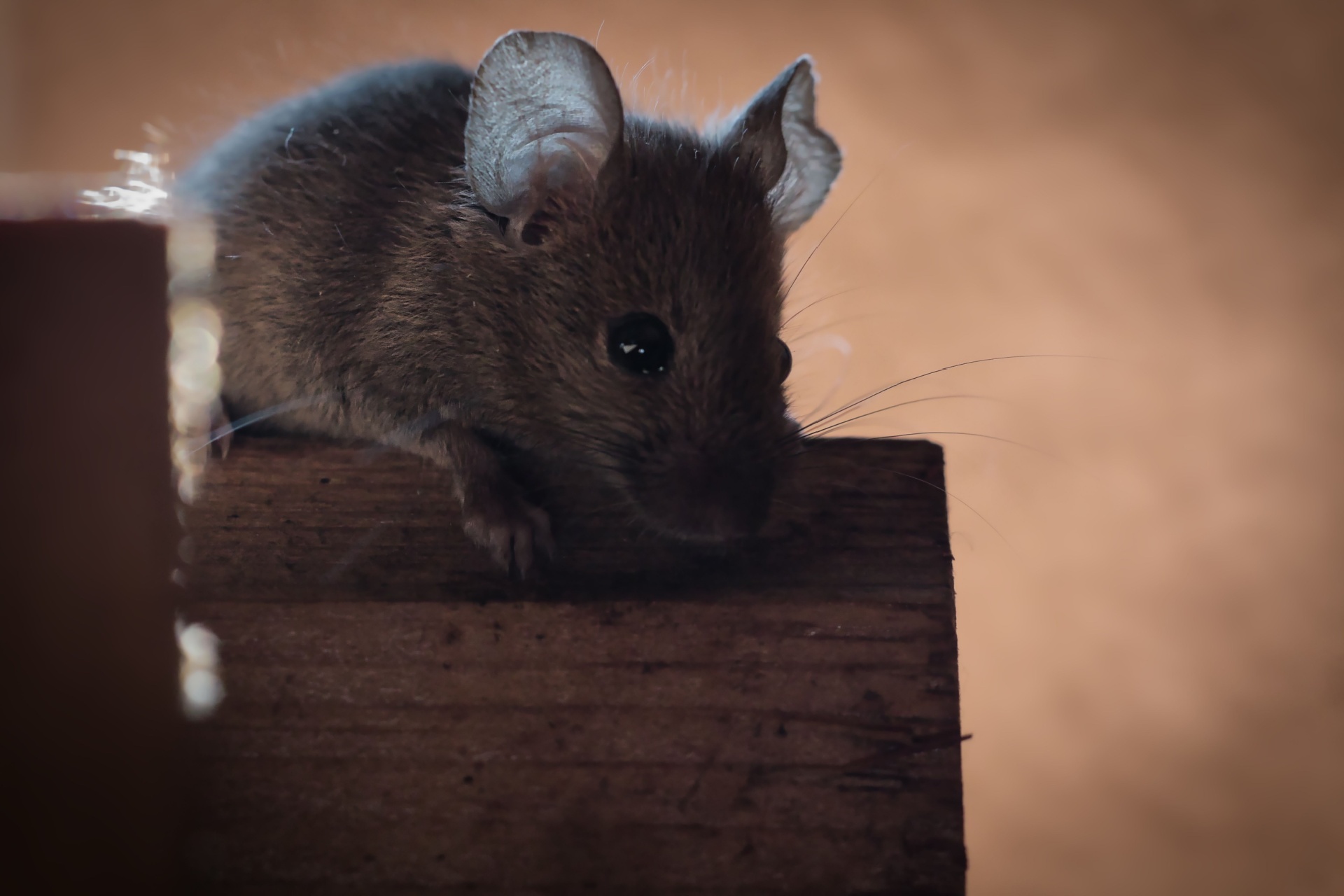
Finding rodent droppings proves rodents aren’t just passing through – they’re actively living in or regularly visiting your garage. Rodents don’t drop feces randomly while exploring; they defecate where they spend time feeding, nesting, and traveling.
Fresh droppings indicate current activity. Fresh rodent feces are dark, soft, and moist. If you’re finding fresh droppings, rodents are present right now. Old droppings show historical presence but become dry, gray, and crumbly over time. Even if droppings appear old, assume rodents are still present until proven otherwise—rodents have no reason to abandon successful habitats.
Volume indicates population size. A few scattered droppings suggest initial colonization. Large quantities concentrated in specific areas signal established populations. Mice produce 50-75 droppings daily, while rats produce 40-50. Do the math: even a small population creates hundreds of droppings weekly.
Your Garage Is the Gateway
Garages function as transitional spaces between outdoor environments and your home’s interior. Most Portland homes have garage access doors leading directly into living spaces—kitchens, mudrooms, or hallways. Rodents in your garage will find these access points.
Doors rarely seal perfectly. The gap under interior garage doors offers easy passage for mice. Even well-maintained doors have slight clearances that mice exploit. Rats may require slightly larger gaps but remain capable of squeezing through surprisingly small spaces.
Shared walls create opportunities. Walls between garages and living spaces contain gaps around electrical boxes, pipes, HVAC ducts, and structural elements. Rodents explore walls systematically, eventually finding pathways into your home.
Once inside, infestations explode. Your home offers abundant food, water, and nesting sites—everything rodents need. What started as a garage problem becomes a whole-house infestation requiring extensive treatment.
The Damage Rodents Cause in Garages
Vehicle damage is expensive and often unexpected. Rodents nest in engine compartments, attracted by warmth from recent driving. They chew wiring harnesses, creating electrical problems that cost thousands to repair. Modern vehicles with extensive electronics are particularly vulnerable. Insurance may not cover rodent damage, considering it maintenance-related rather than collision damage.
Rodents also damage upholstery, air filters, and insulation in vehicles. They store food in air intake systems and HVAC blowers. One rodent family can render a vehicle undriveable in weeks.
Stored items become nesting material and food. Cardboard boxes stored in garages are perfect nesting sites. Rodents shred paper goods, fabric, and insulation to create nests. They contaminate stored clothing, holiday decorations, and sentimental items with urine, feces, and odor that’s often impossible to remove.
Garage systems suffer damage. Rodents gnaw garage door opener wiring, water heater components, HVAC connections, and electrical panels often located in garages. They damage door seals, weatherstripping, and insulation. Water heater insulation is particularly attractive nesting material.
Health Hazards Are Serious
Hantavirus poses significant risks in enclosed spaces like garages. This virus, transmitted through rodent urine and droppings, becomes airborne when disturbed. Simply sweeping up droppings can release infectious particles you inhale. Hantavirus causes Hantavirus Pulmonary Syndrome, a severe and sometimes fatal respiratory disease.
Leptospirosis transmits through contact with rodent urine. This bacteria survives in moist environments—common in Portland garages—and enters through broken skin or mucous membranes. Symptoms range from mild flu-like illness to severe liver and kidney damage.
Salmonella and other bacterial infections contaminate surfaces rodents contact. Children playing in garages, pets investigating corners, and adults handling stored items all risk exposure.
Secondary pest infestations accompany rodents. Fleas, mites, and ticks living on rodents infest garage spaces and potentially enter homes. These parasites bite humans and pets, spreading additional diseases.
What You Should Do Immediately
Don’t ignore droppings. Every day you delay allows populations to grow and damage to accumulate. Address the problem now, not when it becomes obvious to everyone.
Don’t clean up without protection. Never sweep or vacuum rodent droppings—this aerosolizes dangerous pathogens. Wear gloves, spray droppings with disinfectant solution, wait 10 minutes, then carefully pick up with paper towels. Double bag waste and dispose in outdoor trash.
Identify entry points. Inspect your garage thoroughly, looking for gaps, holes, and damaged areas where rodents might enter. Pay attention to the garage door seal, utility penetrations, and areas where walls meet foundations.
Remove attractants. Store all food in metal containers with tight-fitting lids. Remove clutter. Organize stored items so nothing sits directly on floors. Fix water leaks.
Call professionals. Effective rodent control requires expertise. Professionals identify all entry points (including ones you’ll miss), use appropriate treatment methods, seal access points with professional-grade materials, and monitor for ongoing activity.
Your garage may seem like an acceptable place for a few rodents, but the reality is far different. Those droppings represent active threats to your home, health, and property. Take action before a minor problem becomes a major catastrophe. Contact True Guard Pest & Wildlife today for comprehensive garage rodent control that protects your Portland home.