

Rodents are one of the most persistent and widespread pest problems for homeowners throughout the Portland area. From older craftsman homes in inner neighborhoods to newer developments on the outskirts of the metro area, mice and rats regularly find their way indoors. Portland’s climate, housing styles, and urban environment all contribute to conditions that make rodent infestations especially common. When rodents start invading living spaces, professional rodent control in Portland is often the most reliable way to eliminate the problem and prevent it from returning.
Portland’s Climate Creates Ideal Conditions for Rodents
Portland’s mild temperatures and long rainy seasons create a perfect environment for rodents to thrive. Unlike regions with harsh winters or dry climates, Portland rarely experiences extended cold periods that reduce rodent populations.
Several climate factors make rodent activity more persistent in this region:
- Frequent rainfall that keeps soil damp and easy to burrow into
- Mild winters that allow rodents to remain active year-round
- Moderate summers that prevent overheating and dehydration
- Abundant vegetation that provides shelter and nesting sites
Because food and shelter remain available in every season, rodent populations stay stable and continue reproducing throughout the year.
Older Homes Offer Easy Entry Points
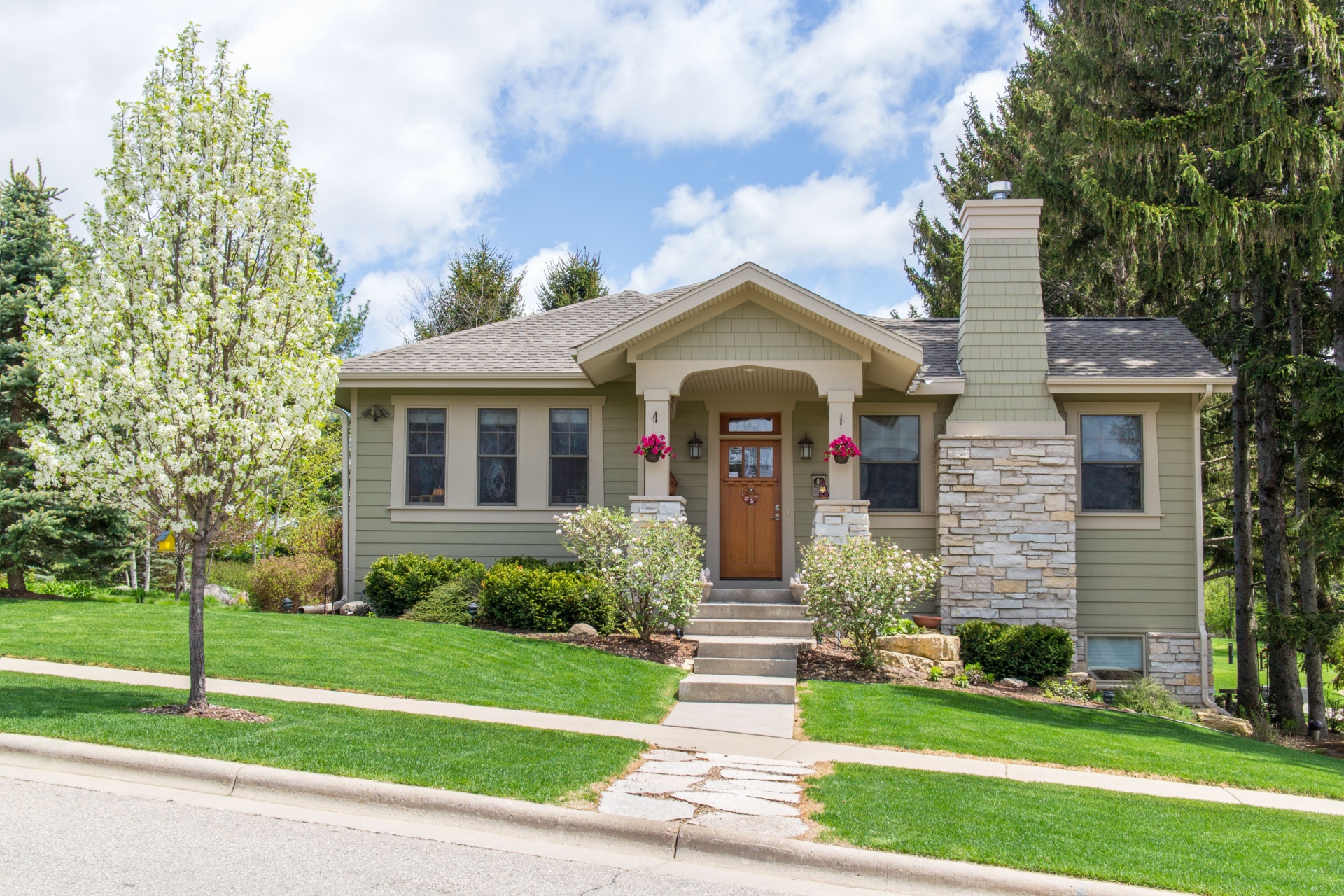
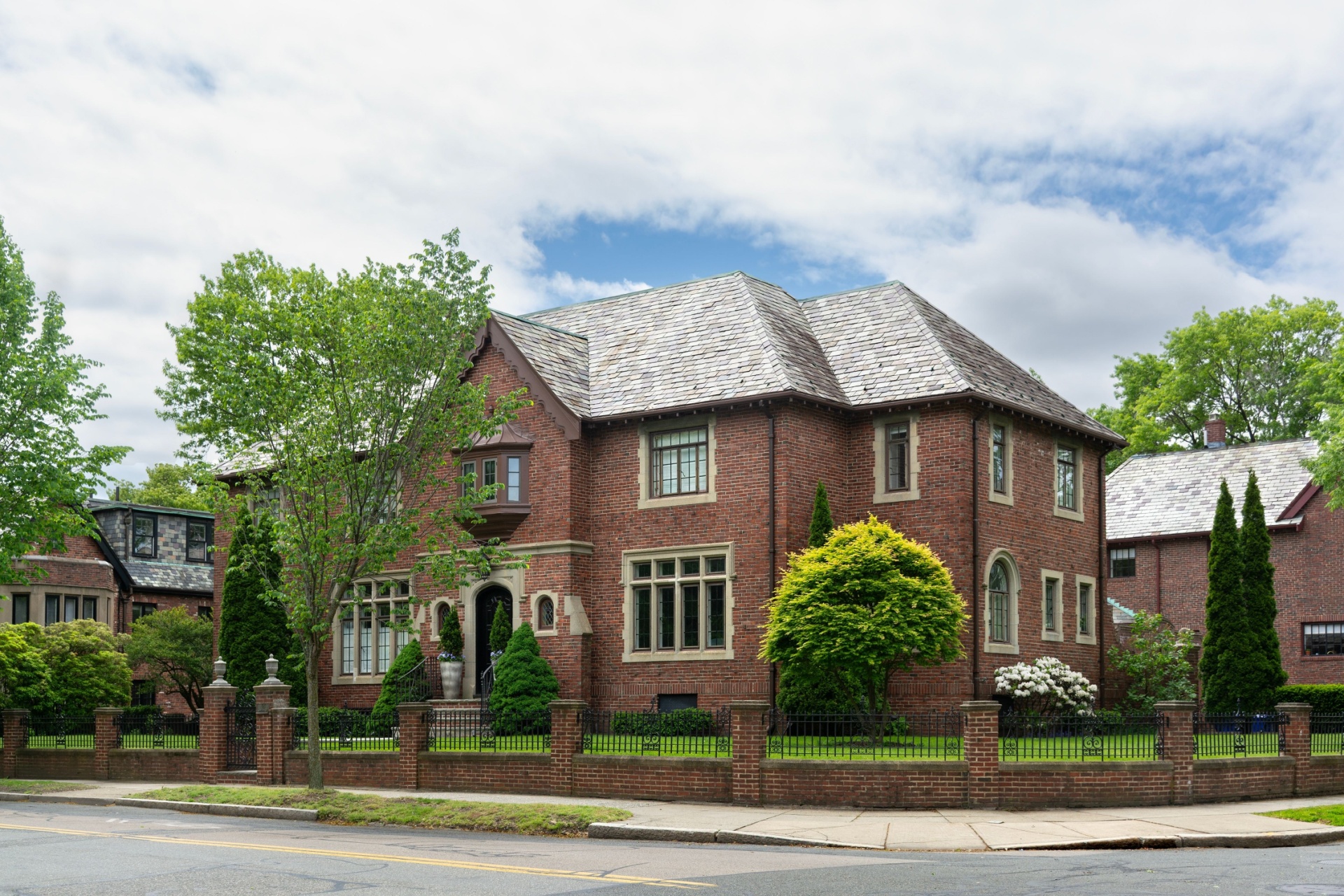
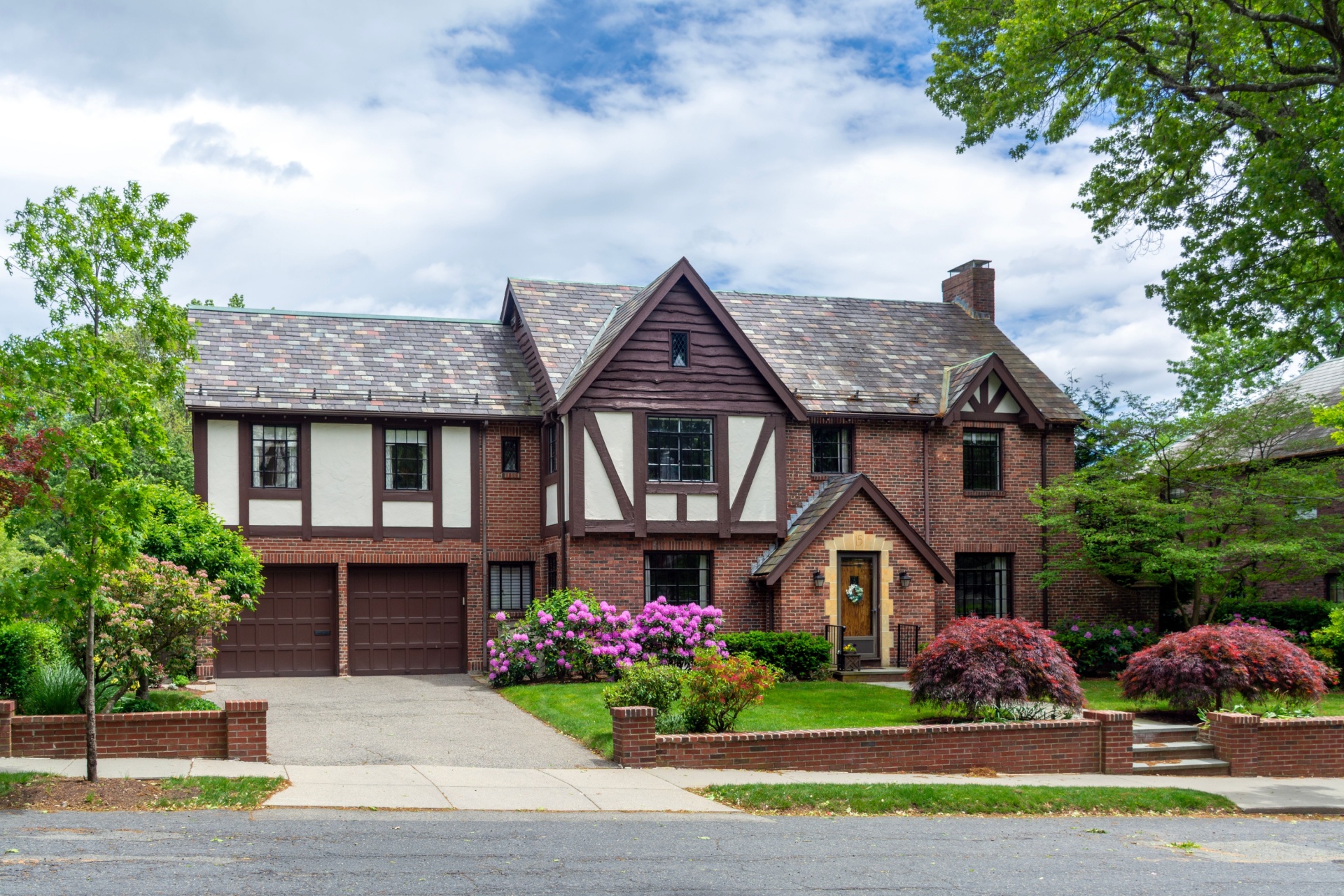
Many Portland neighborhoods feature homes that are several decades old. While these homes often have charm and character, they also tend to have more structural vulnerabilities that rodents can exploit.
Common entry points in older homes include:
- Foundation cracks and settling gaps
- Gaps around utility lines and vents
- Warped doors and window frames
- Aging siding and roofing materials
- Crawl space and attic access points
Mice can squeeze through openings as small as a dime, while rats only need slightly larger gaps. Once rodents find a way inside, they can quickly establish nesting areas in walls, attics, basements, and crawl spaces.
Urban Density Increases Rodent Pressure
Portland’s dense neighborhoods, mixed-use developments, and growing population create constant pressure from surrounding rodent populations. Restaurants, dumpsters, alleyways, parks, and construction sites all provide food and shelter for rodents.
As development continues and natural habitats are disrupted, rodents are pushed closer to residential areas. This makes it more likely that mice and rats will migrate into homes, especially when outdoor food sources become scarce.
Rodents Are Attracted to Food, Water, and Warmth
Rodents enter homes for three basic reasons: food, water, and shelter.
Inside homes, rodents are attracted to:
- Unsealed pantry items and pet food
- Crumbs and spills in kitchens and dining areas
- Trash cans and recycling bins
- Leaky pipes or condensation
- Warm wall voids and insulation
Once rodents locate a reliable food source, they leave scent trails that guide other rodents directly into the home.
Why Rodent Problems Escalate So Quickly
Rodents reproduce at a rapid rate. A small, unnoticed infestation can turn into a serious problem within a few months.
As populations grow:
- Contamination of food and surfaces increases
- Structural damage from gnawing becomes more severe
- Odors from droppings and nesting material develop
- Rodents spread into new areas of the home
Because rodents remain hidden most of the time, homeowners often underestimate how large the infestation has become.
The Risks Rodents Pose to Homes and Families
Rodents are more than just a nuisance. They pose real risks to both property and health.
Common problems caused by rodents include:
- Chewed electrical wiring that increases fire risk
- Damaged insulation and wood framing
- Contaminated food and surfaces
- Strong odors from droppings and urine
- Attraction of insects and other pests
Rodents can also carry bacteria and parasites that contaminate living spaces.
Why DIY Rodent Control Rarely Works Long-Term
Many homeowners attempt to handle rodent problems with traps, baits, or repellents. While these methods may remove a few visible rodents, they rarely solve the underlying problem.
DIY efforts often fail because:
- Entry points remain unsealed
- Nesting areas are not located
- Breeding populations continue growing
- New rodents replace the ones removed
Without proper inspection and exclusion work, infestations tend to return.
How Professional Rodent Control Helps
Professional rodent control focuses on both elimination and prevention.
Services typically include:
- Thorough home inspections
- Identification of rodent species
- Locating nests and entry points
- Strategic trapping and control
- Sealing access gaps
- Preventive recommendations
This comprehensive approach addresses both current infestations and future risk.
Protect Your Portland Home From Rodents
Rodent problems are extremely common in Portland due to the region’s climate, housing styles, and urban environment. Waiting too long to act allows infestations to grow and damage to worsen.
If you’re noticing signs of rodent activity or want to take preventive steps, reach out to True Guard to schedule an inspection and learn more about our rodent control services in Portland and the surrounding areas.