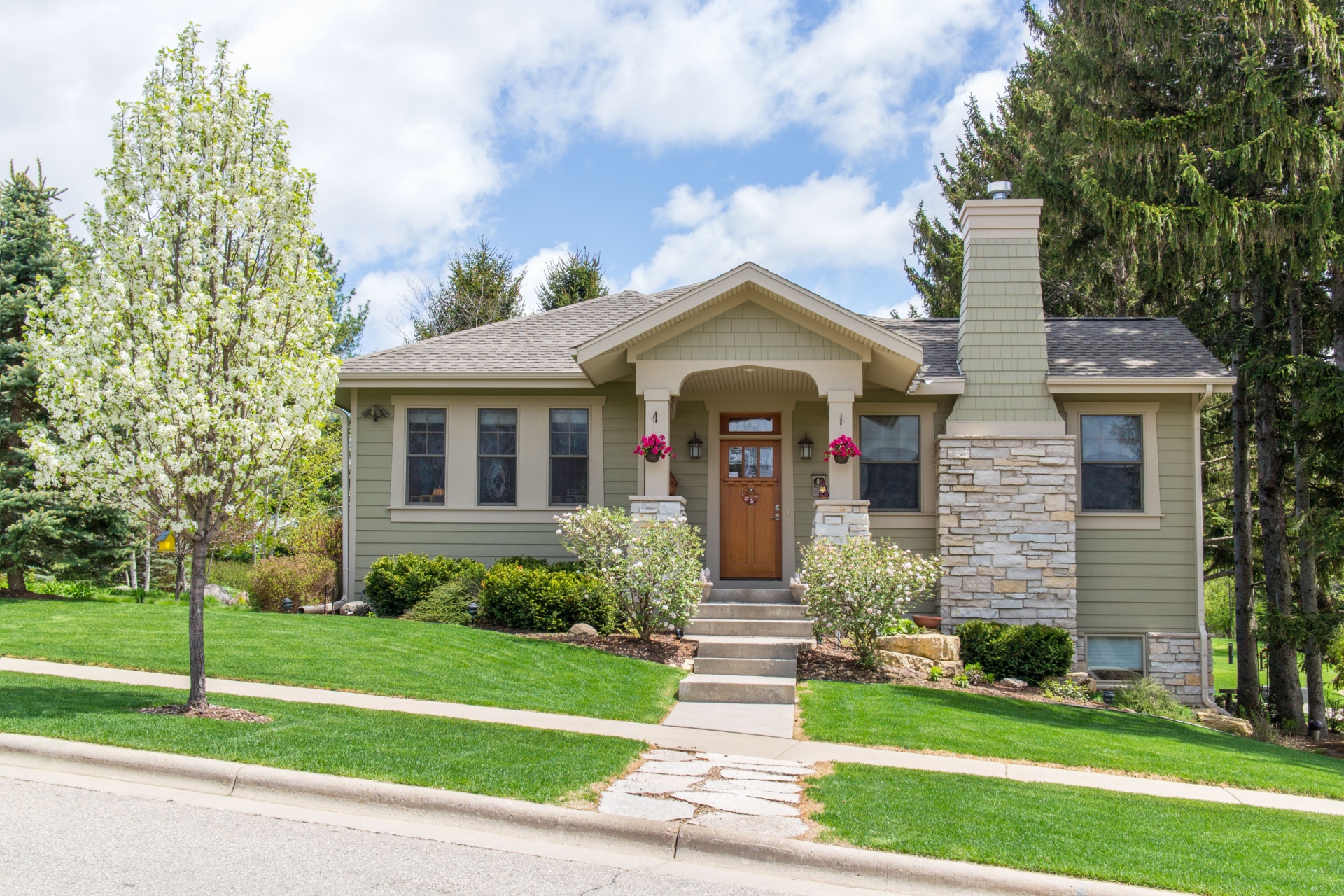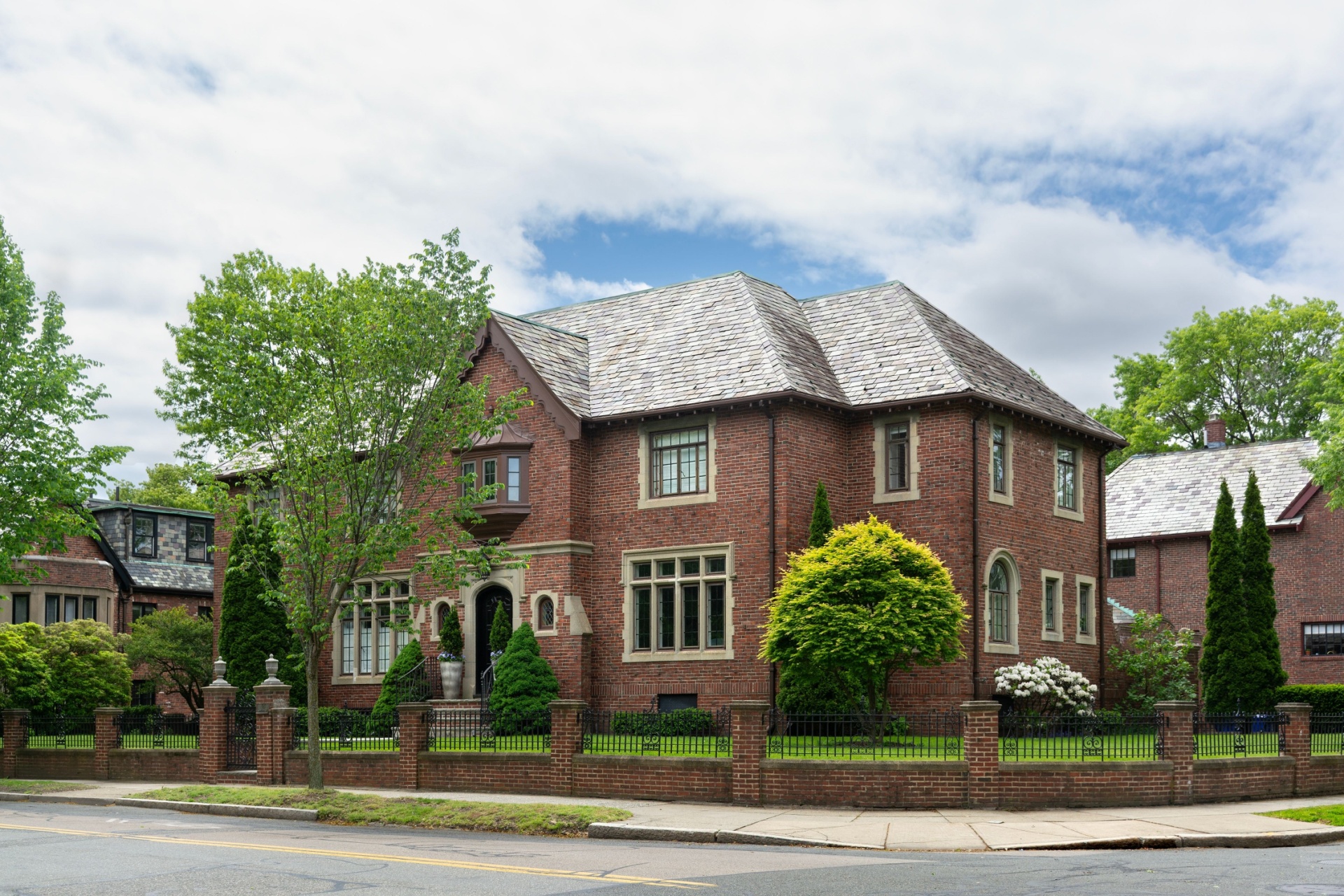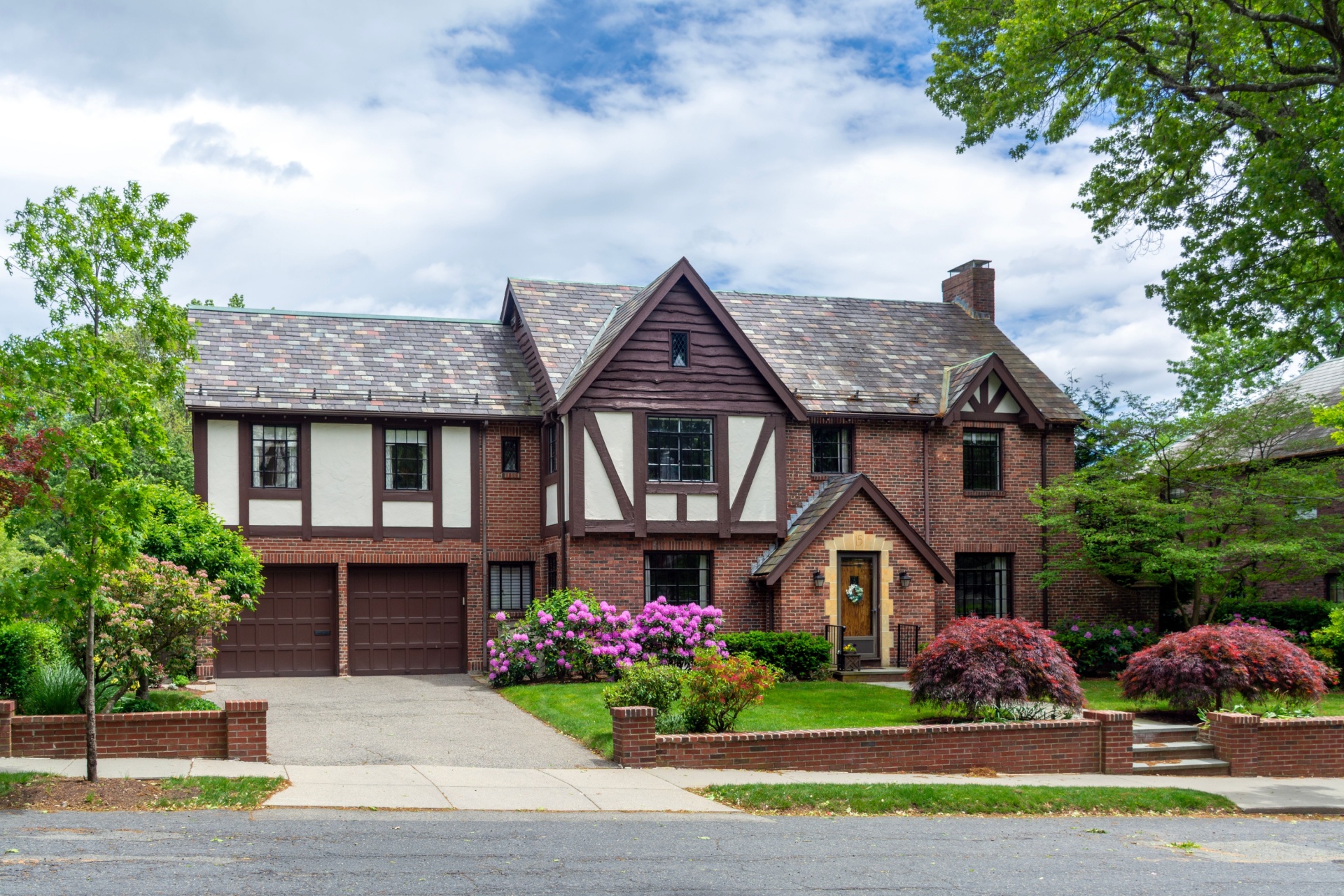

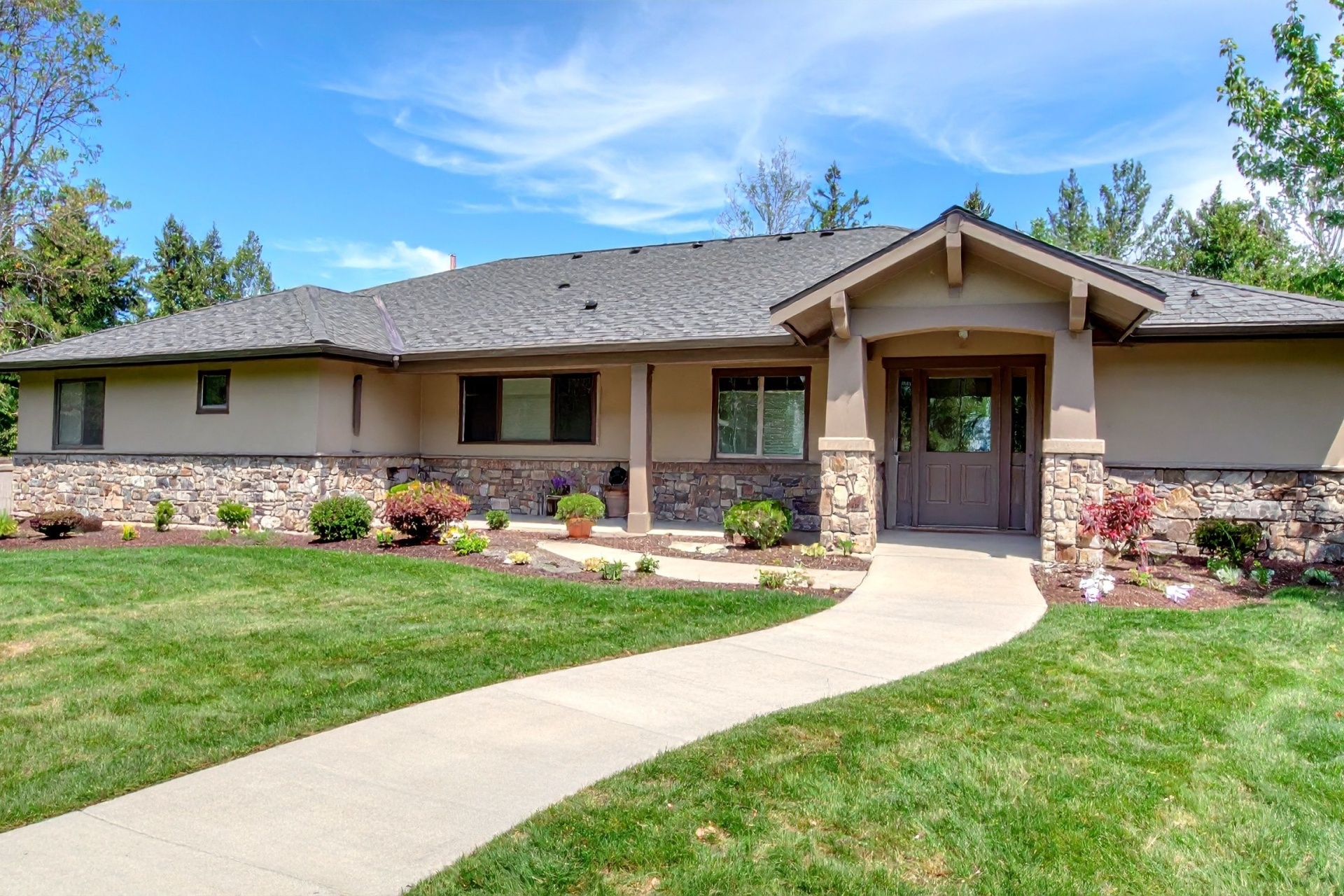
Laurelhurst homeowners frequently encounter ant and rodent problems that seem more persistent than in newer Portland neighborhoods. This historic Northeast Portland community features beautiful homes built between 1910 and 1925 showcasing Arts & Crafts, Craftsman, and Spanish Revival architecture. While these homes offer exceptional character and solid construction, specific features common to early 20th-century residential development create conditions that attract ants and rodents. True Guard Pest & Wildlife specializes in addressing the pest pressures that specifically affect Portland’s historic neighborhoods, like Laurelhurst.
Mature Trees Harbor Carpenter Ant Colonies
Laurelhurst’s defining characteristic—its beautiful canopy of mature trees—directly contributes to carpenter ant problems. These large trees provide ideal nesting sites for parent carpenter ant colonies. Ants establish nests in tree stumps, dead branches, landscape timbers, and any wood in contact with soil. Once established in trees throughout the neighborhood, carpenter ants send out reproductive swarmers and workers that create satellite colonies in nearby homes. The density of mature trees in Laurelhurst means homes face constant pressure from surrounding carpenter ant populations.
Historic Wood Construction Attracts Carpenter Ants
Homes built in the 1910s and 1920s feature extensive wood construction—siding, window frames, door jambs, porch structures, and decorative trim. Over decades, some of this wood has been compromised by moisture from roof leaks, plumbing issues, or inadequate ventilation. Carpenter ants specifically target wood that has been softened by water damage, making older homes with inevitable moisture exposure over 100 years particularly attractive. The combination of abundant wood and decades of wear creates perfect conditions for carpenter ant colonization.
Original Foundations Provide Rodent Entry
Laurelhurst homes were built with foundation types common in the early 20th century—pier and beam construction, stone foundations, and early concrete work. These foundations have experienced settling, minor shifting, and degradation over the past century, creating gaps and cracks that rodents easily exploit. Modern foundations include pest barriers and sealed construction; historic foundations often have numerous small openings that mice and rats use for entry. The age of these foundations directly correlates to increased rodent access points.
Crawl Spaces Create Rodent Habitat
Many Laurelhurst homes have crawl spaces that were standard construction in the 1910s–1920s. These spaces provide ideal rodent nesting sites—protected from weather, undisturbed by human activity, and often containing insulation perfect for nest building. Crawl space vents, necessary for ventilation, also provide rodent entry points. Once rodents establish nests in crawl spaces, they easily access main living areas through gaps around plumbing and electrical penetrations that connect these spaces to upper floors.
Architectural Complexity Creates Entry Points
The beautiful architectural details that make Laurelhurst homes distinctive also create pest entry opportunities. Decorative trim, complex rooflines, ornamental features, and the general complexity of Craftsman and Arts & Crafts construction provide countless small gaps and crevices. Rodents don’t need large openings—mice can squeeze through gaps the size of a dime. The architectural richness of historic homes means more potential entry points than simpler modern construction provides.
Established Landscaping Provides Food Sources
The mature landscaping throughout Laurelhurst includes fruit trees, berry bushes, vegetable gardens, and ornamental plants that attract both ants and rodents. Fallen fruit, accessible garbage, compost bins, bird feeders, and pet food left outdoors all provide food sources. Landscaping close to foundations creates direct pathways from outdoor habitat into homes. The established nature of Laurelhurst gardens means abundant year-round food availability for pest populations.
Original Windows and Doors Have Gaps
Many Laurelhurst homes retain original or period-appropriate windows and doors. While these features add character and historic authenticity, weatherstripping and seals deteriorate over time. Gaps develop around window frames, door thresholds, and the interfaces between original and modern construction. These openings allow both ants and rodents to enter. Maintaining historic character while addressing these pest entry points requires professional expertise.
Neighborhood Parks and Green Spaces Maintain Pest Populations
Laurelhurst Park and the green spaces throughout the neighborhood provide habitat that maintains healthy populations of ants and rodents. These urban wildlife areas are valuable amenities, but they also ensure constant pest pressure on surrounding homes. Rodents use parks as daytime habitat, then venture into residential areas seeking food and shelter. Ants establish colonies in park vegetation and landscaping, spreading throughout the neighborhood. Proximity to green spaces means homes face continuous pest pressure.
Moisture Issues Are Common in Older Homes
Homes built in the 1910s–1920s didn’t include moisture barriers, modern ventilation systems, or other features that control humidity. Over decades, plumbing has aged, roofs have leaked, and various moisture problems have developed. Both carpenter ants and moisture ants target homes with water issues. Rodents are also attracted to water sources. The moisture problems that commonly develop in century-old homes create conditions highly attractive to multiple pest species.
Social Nesting Behavior Concentrates Problems
Both ants and rodents exhibit social behaviors that concentrate pest problems. Once carpenter ants establish a successful satellite colony in one Laurelhurst home, pheromone trails and colony expansion lead to other nearby homes becoming targets. Similarly, successful rodent populations attract other rodents to the area. The social nature of these pests means problems compound and spread throughout neighborhoods unless professionally managed.
Seasonal Patterns Drive Indoor Movement
Portland’s seasonal weather changes drive ants and rodents to seek indoor shelter. Fall temperature drops push rodents indoors seeking warmth. Spring warmth increases ant activity and swarm production. Summer heat and drought drive pests toward moisture sources inside homes. Winter cold makes indoor spaces even more attractive. The seasonal patterns that affect all Portland homes have a greater impact on historic construction that provides easier access.
Professional Solutions Address Root Causes
Effective pest control in Laurelhurst homes requires addressing why these properties attract ants and rodents, not just treating symptoms. Professional pest control identifies specific vulnerability factors in each home, implements exclusion work to seal entry points, treats existing populations, and establishes protective barriers that prevent reinfestation. This comprehensive approach recognizes that Laurelhurst’s historic character creates unique pest challenges requiring specialized solutions.
Stop pest problems at their source. Reach out to True Guard Pest & Wildlife for professional pest control that addresses why Laurelhurst homes attract ants and rodents. Contact us now to schedule your free inspection.