
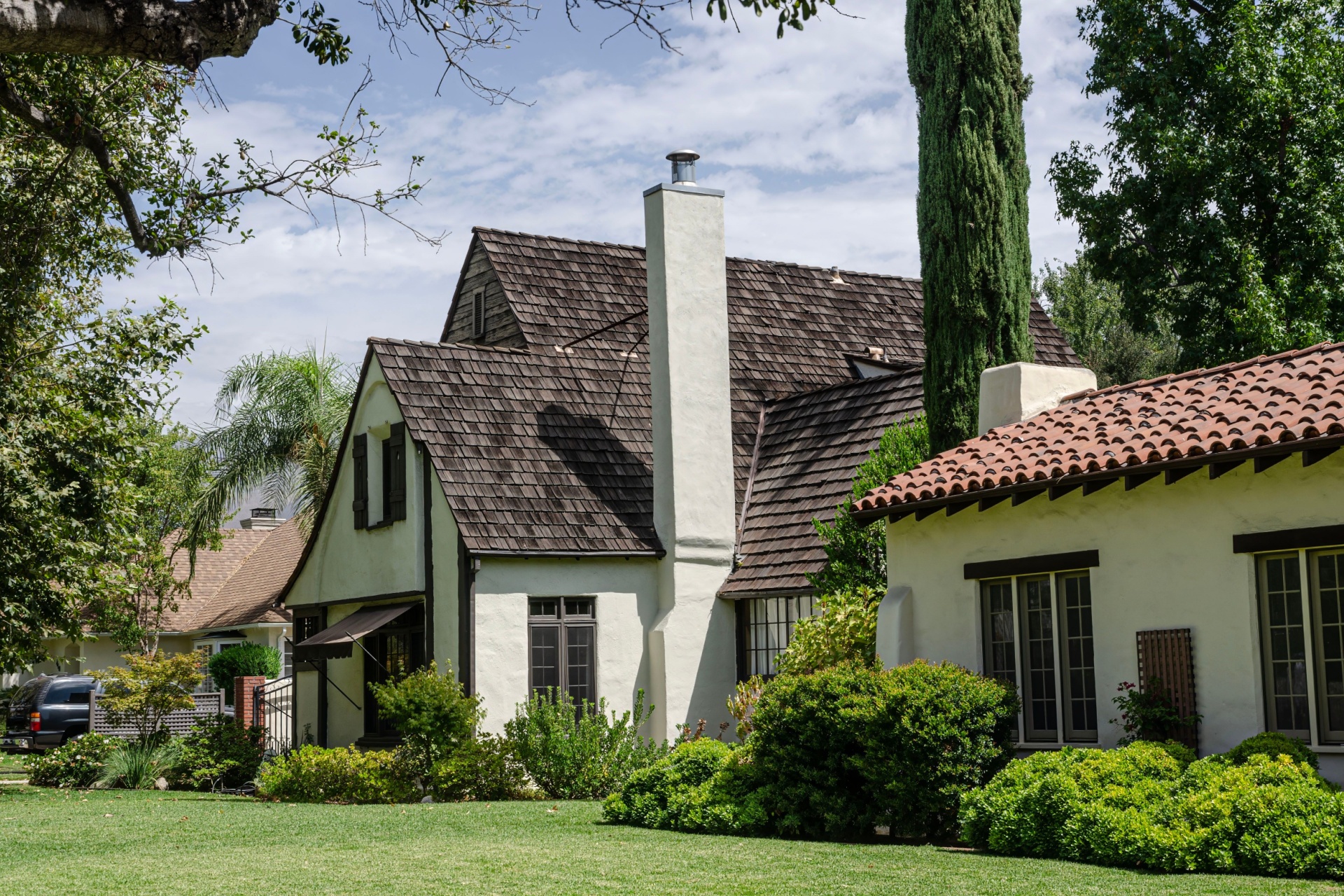
Eastmoreland stands as one of Portland’s most beautiful historic neighborhoods, officially added to the National Register of Historic Places in December 2022. The neighborhood showcases an impressive array of architectural styles—English Tudor, Colonial Revival, Craftsman bungalows, and Spanish Revival homes—all set along tree-lined streets that wind through gentle hills. Developed according to City Beautiful planning principles, Eastmoreland includes significant green spaces like the Eastmoreland Golf Course, Crystal Springs Rhododendron Garden, and Berkeley Park. While these grand historic homes offer exceptional beauty and craftsmanship, they also present unique pest control challenges that require professional expertise. True Guard Pest & Wildlife understands how to protect Eastmoreland’s architectural treasures while effectively managing the pests that threaten them.
Why Historic Eastmoreland Homes Attract Pests
Most of Eastmoreland’s homes were built between the 1920s and 1940s, constructed with quality materials but before modern pest prevention techniques existed. Original wood siding, foundation designs typical of that era, and the natural settling that occurs over decades create numerous entry points for pests. The neighborhood’s mature trees, extensive landscaping, and proximity to green spaces like the golf course and rhododendron garden provide ideal habitat for insects, rodents, and wildlife. Portland’s damp climate compounds these issues, creating moisture problems that attract wood-destroying pests.
Carpenter Ants Pose the Primary Threat
Carpenter ants represent the most serious threat to Eastmoreland’s historic homes. These large black ants are attracted to moisture-damaged wood, and older homes often have areas where decades of water exposure have weakened structural elements—window frames, door jambs, siding, porch columns, and areas near plumbing. Carpenter ants hollow out wood to create their nests, and over time this causes structural damage that can be extensive and expensive to repair. If you notice large black ants inside your home, especially during spring, you likely have a carpenter ant colony that needs professional treatment.
Termites Can Go Undetected for Years
While termites are less common in Portland than in other parts of the country, they do occur, and historic homes are vulnerable. Subterranean termites work slowly and quietly, often going undetected until significant damage has been done. They’re particularly attracted to wood that’s in contact with soil, poorly ventilated crawl spaces, and areas with moisture problems. Regular inspections are critical for historic Eastmoreland homes because catching termites early can save you from costly repairs.
Rodents Exploit Older Homes’ Vulnerabilities
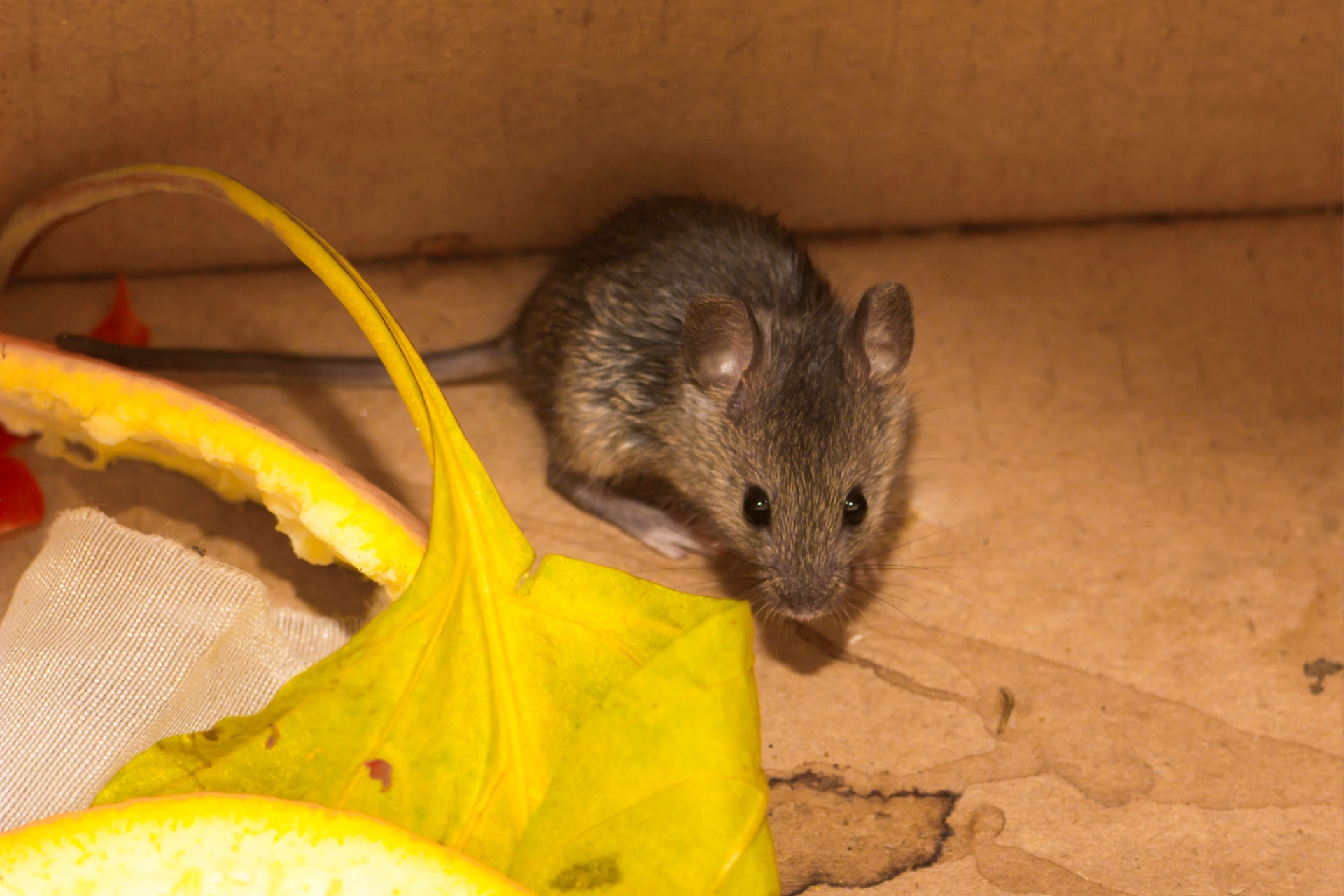
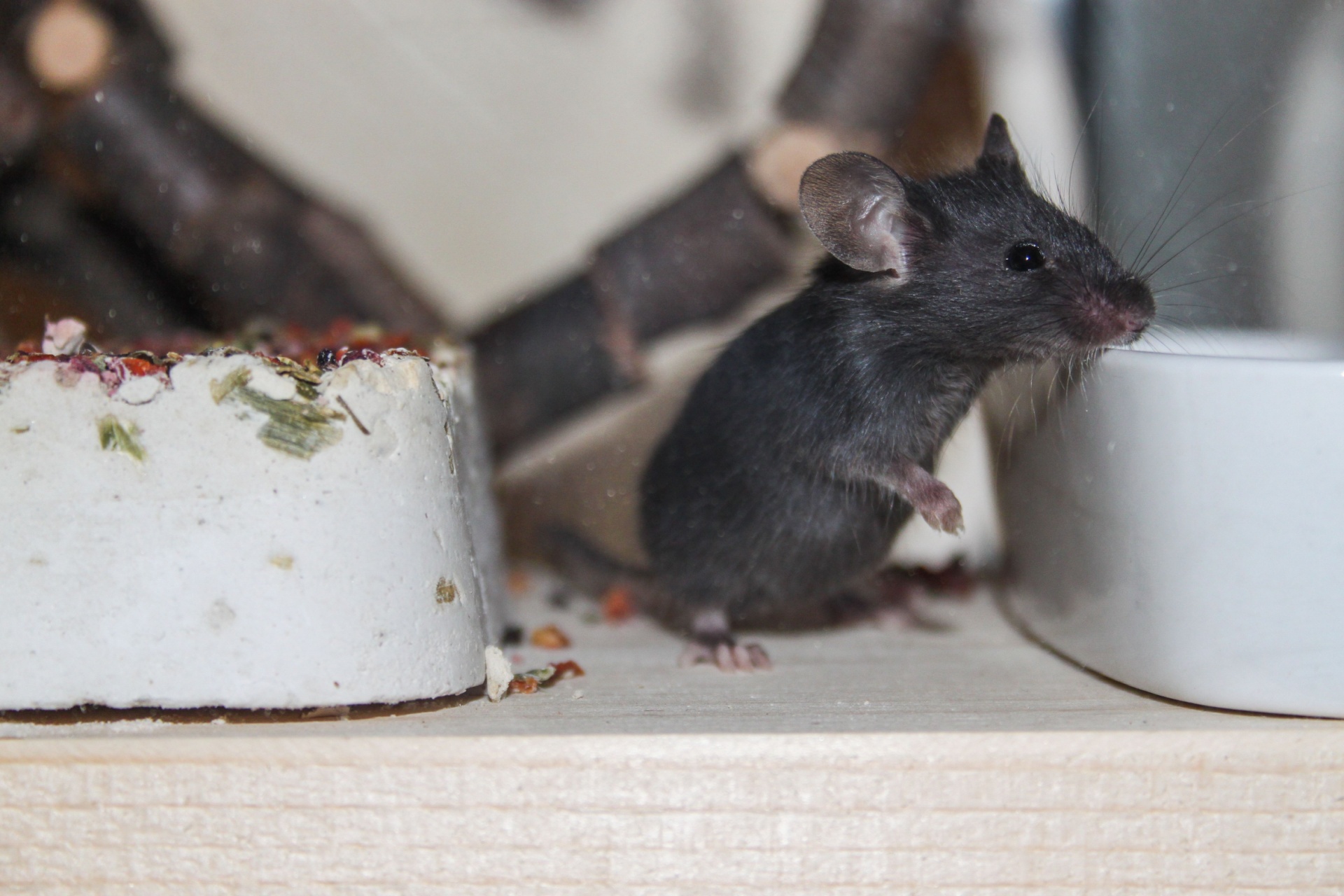
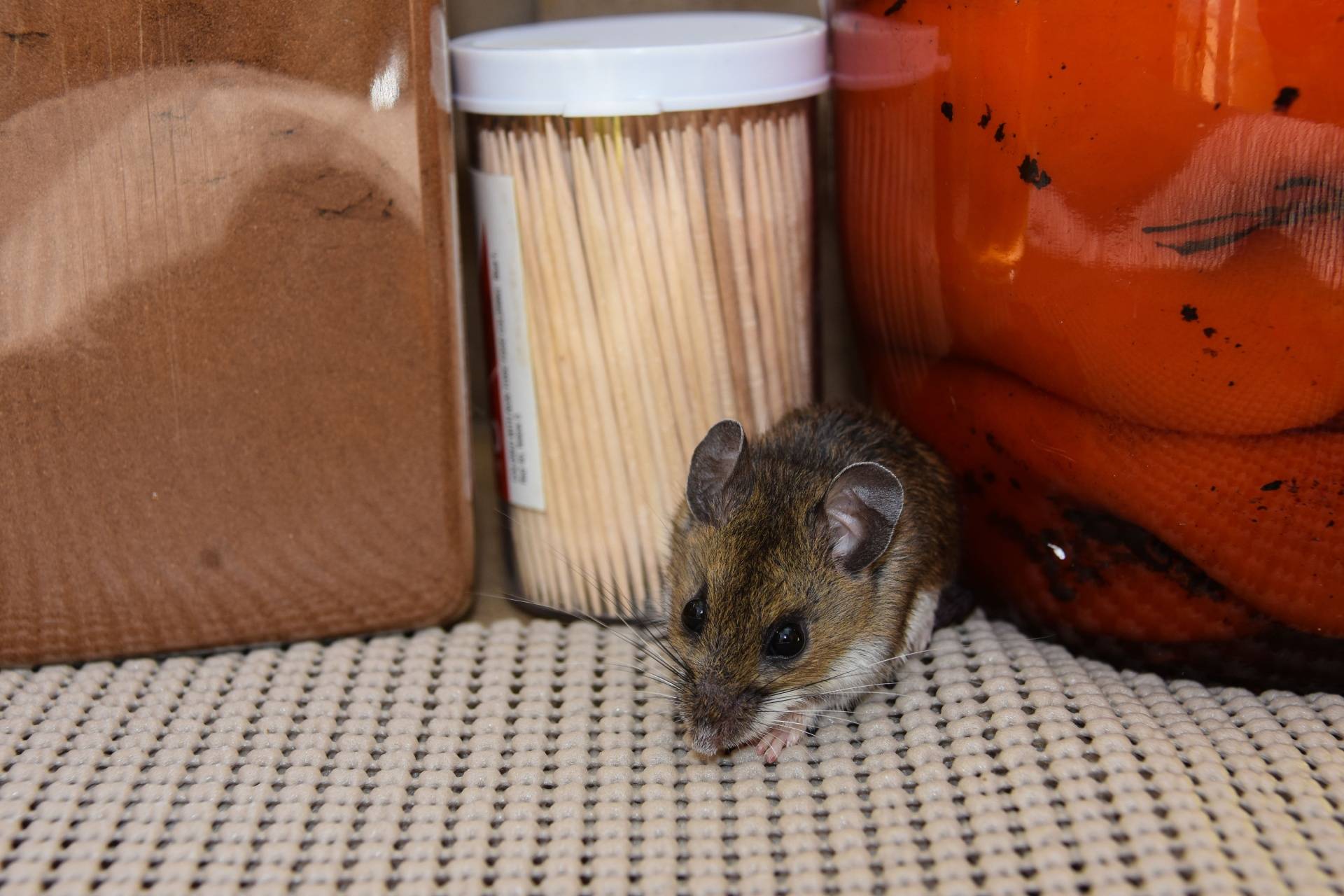
Mice and rats are persistent problems in Eastmoreland, especially during fall and winter. Older homes simply have more entry points than newer construction—gaps around utility lines, cracks in foundations, spaces where additions meet original structures, deteriorating weatherstripping around doors and windows, and openings in crawl space vents. Rodents can squeeze through openings as small as a dime for mice and a quarter for rats. Once inside, they nest in walls, attics, and crawl spaces, causing damage and creating health hazards.
Moisture Ants Indicate Bigger Problems
Moisture ants are common in Eastmoreland homes, particularly those with crawl spaces or basements. These small yellowish ants are attracted to decaying wood and moisture, and their presence often indicates underlying water problems that need attention. While moisture ants themselves don’t cause structural damage, they’re a warning sign that conditions exist for more serious wood-destroying pests like carpenter ants or termites.
Spiders and Other Insects Are Year-Round Issues
Eastmoreland’s mature trees and abundant vegetation provide ideal habitat for spiders, which then move into homes seeking shelter and prey. Common house spiders, hobo spiders, and giant house spiders are all found in Eastmoreland. Basements, crawl spaces, attics, and garages are favorite hiding spots. Regular pest control treatments reduce spider populations by targeting both spiders and the insects they feed on, creating a more comfortable living environment.
Wildlife Can Damage Historic Structures
Raccoons, squirrels, and bats can all cause problems for Eastmoreland homeowners. Raccoons are particularly destructive—they tear through soffits, vents, and siding to access attics and crawl spaces, where they damage insulation, ductwork, and wiring. Squirrels chew through wood and electrical wiring, and bats leave behind droppings that pose health risks. Professional wildlife removal and exclusion services are essential to protect your historic home from these animals.
Protecting Historic Homes Requires Specialized Approaches
Pest control in Eastmoreland’s historic district isn’t the same as treating newer homes. Historic properties require careful treatment that respects original materials, doesn’t damage architectural features, and works within the guidelines associated with the National Register Historic District designation. Professional pest control companies with experience in historic homes understand how to provide effective treatment while preserving the integrity and character of these properties.
Prevention Is Key for Long-Term Protection
The best way to protect your Eastmoreland home is through regular preventive pest control. Quarterly treatments create a protective barrier that stops pests before they become problems, address seasonal pests as they emerge throughout the year, and include inspections that catch issues early. This proactive approach is far more effective and less expensive than waiting until you have an active infestation.
Green Spaces Create Unique Pest Pressures
Eastmoreland’s location near the golf course, Crystal Springs Rhododendron Garden, and Berkeley Park means homes face constant pest pressure from these natural areas. Insects, rodents, and wildlife use these green spaces as habitat and regularly venture into nearby residential areas. Professional pest control creates protective zones around your home that intercept pests before they gain entry.
Crawl Space Protection Is Essential
Many Eastmoreland homes have crawl spaces that were standard in early 20th-century construction. These spaces can harbor moisture problems, provide rodent nesting sites, and create conditions favorable to wood-destroying pests. Professional pest control includes crawl space inspection and treatment, addressing these vulnerable areas that homeowners often overlook.
Seasonal Pest Patterns in Eastmoreland
Portland’s seasonal changes drive predictable pest activity throughout Eastmoreland. Spring brings carpenter ant swarmers and increased rodent movement. Summer sees peak spider and stinging insect populations. Fall drives pests indoors as they seek winter shelter. Professional year-round pest control addresses these seasonal patterns, maintaining protection through every change in weather.
Protect your piece of Portland history. Reach out to True Guard Pest & Wildlife for expert pest control services designed specifically for Eastmoreland’s historic homes. Contact us now to schedule your free inspection.