

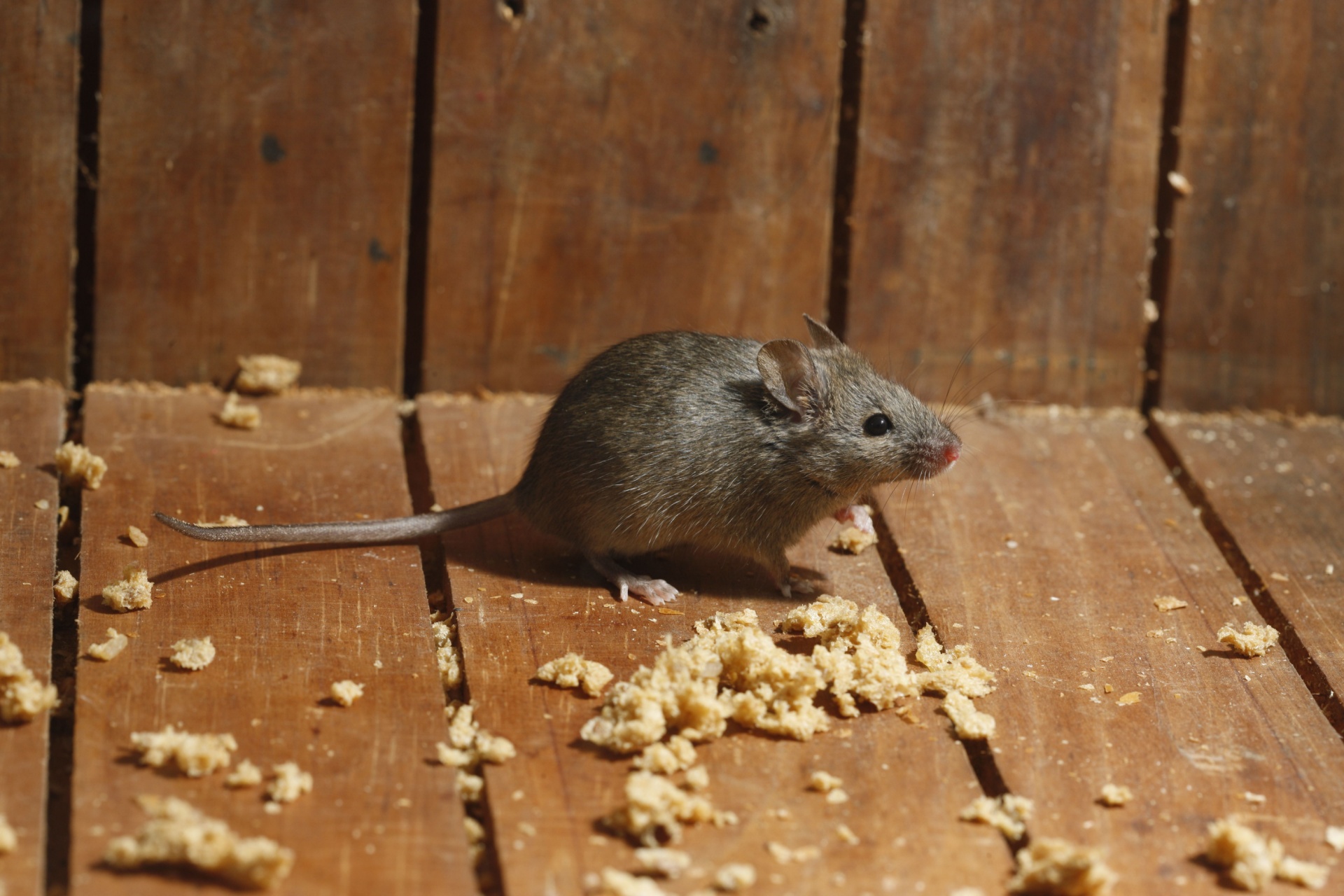
Hearing scratching or scurrying sounds behind the walls of your Portland home is more than unsettling—it’s often the first sign of a mouse infestation in Portland. Mice are notorious for slipping into hidden spaces, and walls provide the perfect shelter where they can nest, chew, and multiply without being seen. Left unchecked, these intruders can cause costly damage and health risks, making it crucial to understand why mice invade walls and how to stop them before the problem escalates.
Why Mice Choose Walls as Shelter
Walls provide the perfect environment for mice: dark, warm, and protected from predators. Portland’s climate, with its cool, damp winters, makes homes especially attractive to rodents seeking shelter. Once inside, mice can squeeze through openings as small as a dime, slipping into wall voids where they remain unseen but active.
Common reasons mice end up in walls include:
- Easy access through gaps in siding, vents, or foundations
- Food sources nearby, such as pantries or pet food
- Nesting opportunities in insulation or cluttered storage areas
- Seasonal shifts driving them indoors for warmth and safety
- Moisture buildup in basements or crawl spaces that attracts rodents
- Overgrown vegetation or stacked firewood close to exterior walls, creating easy pathways inside
For homeowners, these hidden spaces become a silent invitation to mice. Once established, they can thrive undetected, making early awareness and prevention critical to keeping your home secure.
The Hidden Damage Mice Cause
While mice may seem harmless at first glance, their presence inside walls can lead to serious problems. They chew constantly to keep their teeth from overgrowing, which means electrical wiring, insulation, and even structural wood are at risk. This gnawing can spark fire hazards or weaken your home’s integrity.
Beyond structural damage, mice leave behind droppings and urine that contaminate surfaces and air quality. Their nesting habits can also attract other pests, compounding the problem. Left unchecked, a small mouse population can quickly escalate into a full-blown infestation.
Signs You Have Mice in Your Walls
Because mice are nocturnal and prefer hidden spaces, spotting them directly is rare. Instead, homeowners should watch for subtle indicators:
- Scratching or scurrying sounds at night
- Faint squeaks coming from walls or ceilings
- Small droppings near baseboards or corners
- Gnaw marks on food packaging or furniture
- A musky odor in certain rooms
- Pets acting unusually alert around walls
Taken together, these signs paint a clear picture of what’s happening behind the drywall. The sooner you recognize these clues, the faster you can act to prevent mice from multiplying and causing further damage. Early detection is the difference between a manageable issue and a costly infestation.
Proven Methods to Eliminate Mice from Walls
Getting rid of mice in walls requires more than setting a few traps. The key is addressing both the immediate infestation and the root causes of entry.
- Inspection: A thorough assessment of your home to identify entry points and nesting areas.
- Targeted Removal: Safe, effective methods to eliminate existing mice without causing further damage.
- Exclusion: Sealing cracks, vents, and gaps to prevent future invasions.
- Sanitation: Cleaning and removing contaminated materials to restore a healthy environment.
- Use of Humane Trapping Methods: Employing traps designed to capture mice without unnecessary harm, ensuring safe removal.
- Professional-Grade Baiting Systems: Strategically placing bait stations that target infestations while minimizing risks to children and pets.
- Ongoing Monitoring: Scheduling follow-up visits or inspections to confirm that the infestation has been fully resolved and prevent recurrence.
DIY methods often fall short because they only treat surface-level issues. Professional rodent control ensures that infestations are eliminated at the source and that preventative measures are put in place.
Sustainable Prevention Against Future Infestations
Preventing mice from ever entering your walls begins with making your home less inviting to them. Food is one of the biggest attractants, so keeping pantries organized and storing items in sealed containers goes a long way toward discouraging rodents. Even small crumbs or pet food left out overnight can draw mice indoors, so consistent cleaning habits help reduce the temptation.
Another key factor is the condition of your home’s structure. Mice can squeeze through gaps no larger than a dime, which means even minor cracks in foundations, siding, or vents can serve as entry points. Regular inspections of exterior walls, crawl spaces, and basements allow homeowners to spot vulnerabilities before they become gateways for infestations. Landscaping also plays a role—overgrown vegetation or stacked firewood near the home provides cover and easy access for rodents.
Finally, prevention is most effective when paired with professional oversight. Routine pest control inspections catch early warning signs that might otherwise go unnoticed, ensuring that small issues don’t escalate into costly infestations. By combining good household habits with expert monitoring, Portland homeowners can create a protective barrier that keeps mice out of walls and preserves the safety and comfort of their living spaces.
Keep Your Portland Home Mouse-Free
Ignoring the signs of mice in walls often leads to bigger issues, from contamination to costly repairs. What may start as faint scratching or a few droppings can quickly escalate into damaged wiring, insulation loss, and health risks from droppings and urine. Once mice establish themselves inside walls, they breed rapidly and spread unseen, making early action the most reliable way to safeguard your home. Prevention combined with professional removal ensures that infestations are stopped before they compromise both your property and your peace of mind.
Reach out to True Guard Pest & Wildlife today to learn how our rodent control services can keep your home mouse-free. With humane removal and preventative strategies, we help Portland homeowners maintain healthier, pest-free living spaces.