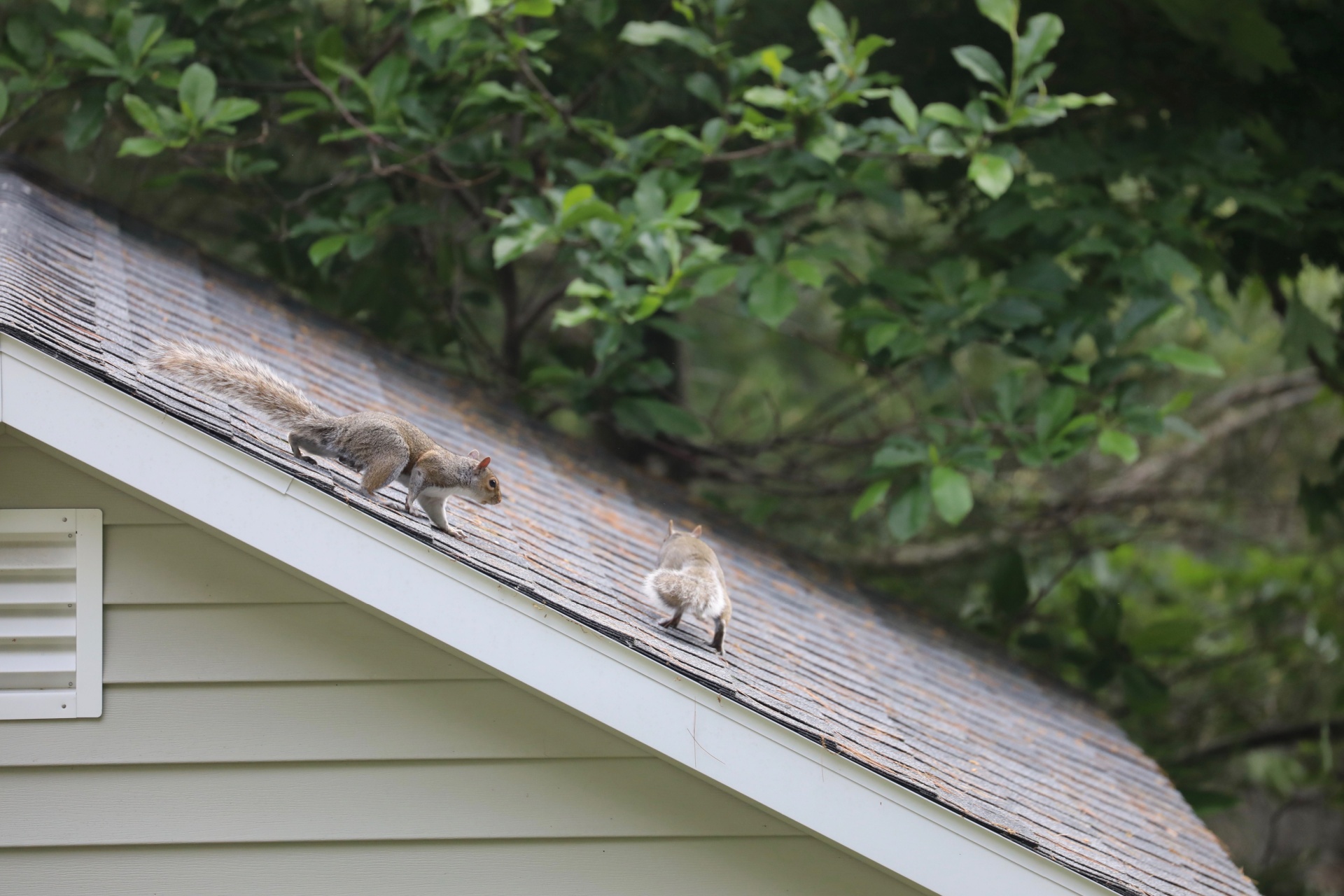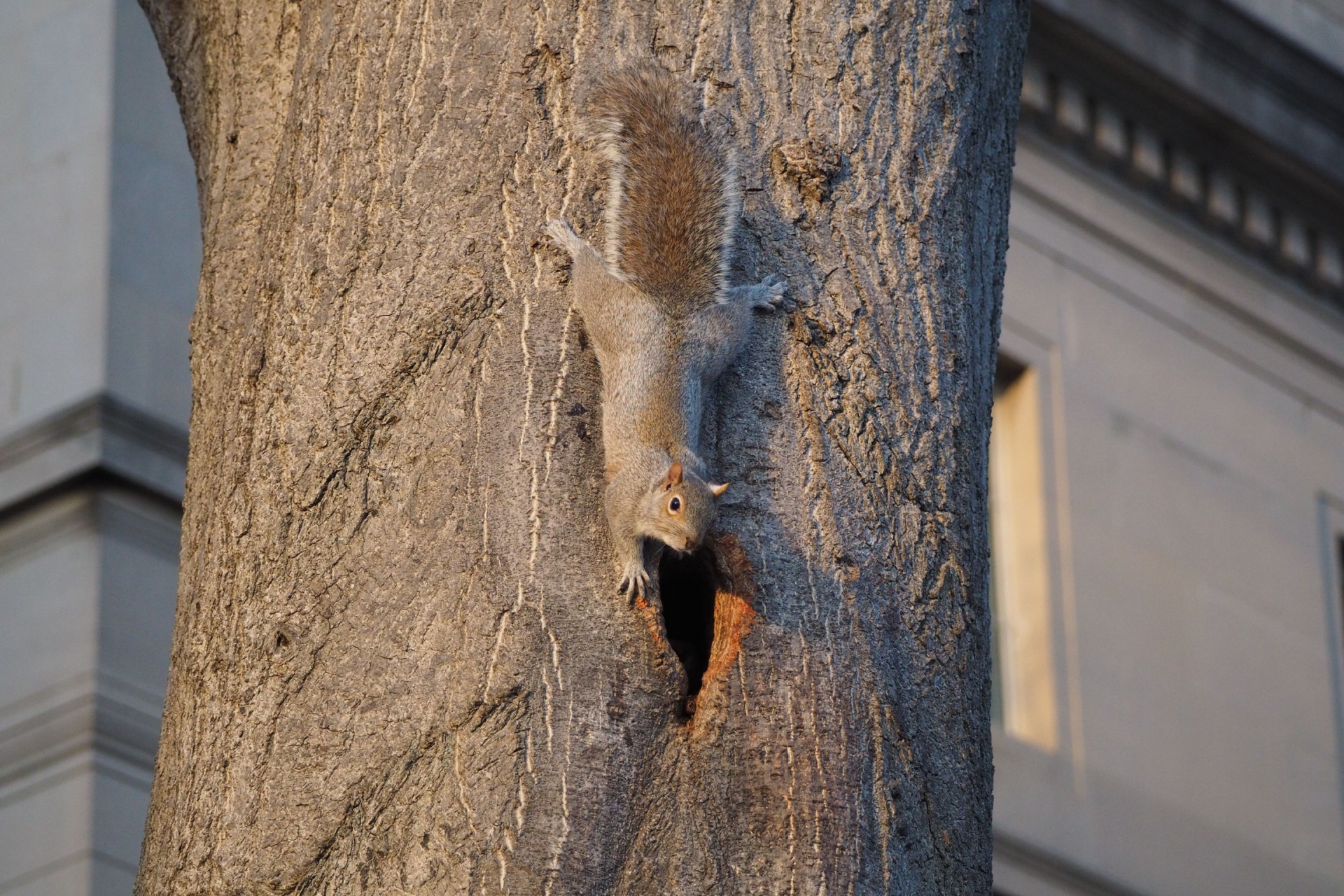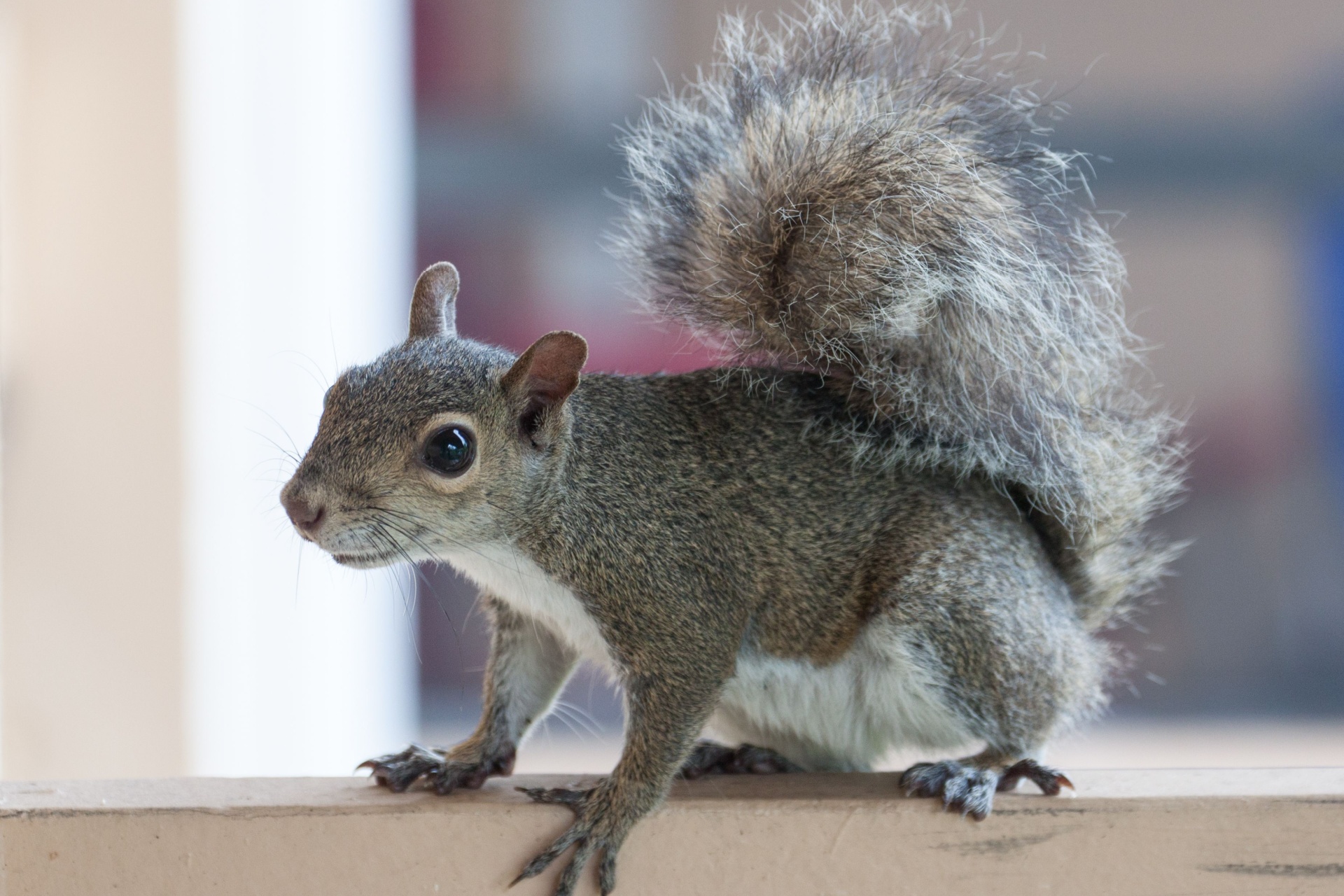

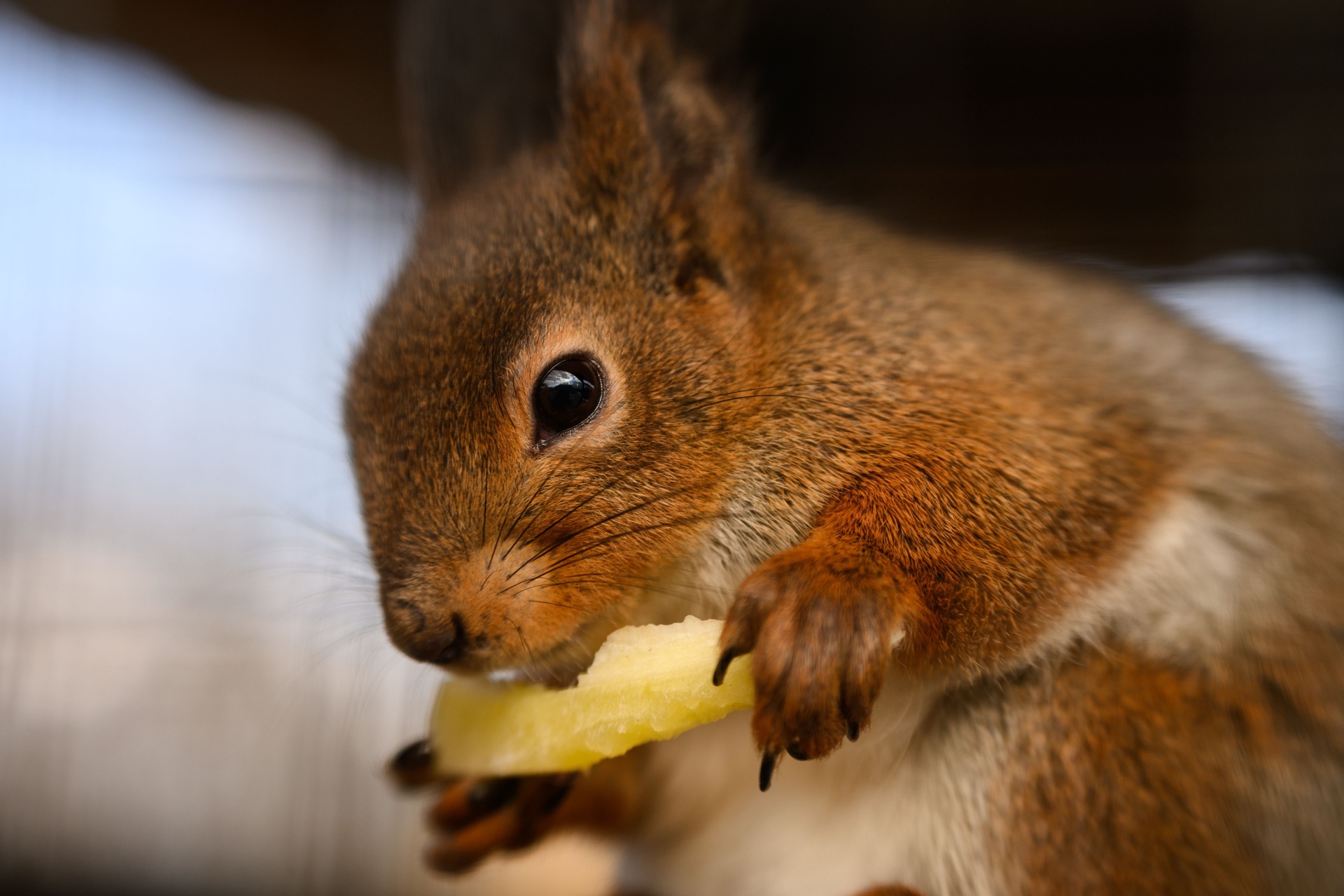
Yes, squirrels do chew electrical wiring, and it is one of the more serious concerns associated with a squirrel infestation in a Portland home. This is not an overstated risk. Gnawing on hard materials is a biological necessity for squirrels, and wiring found in attics and wall voids is a frequent target.
If squirrels are active in your home, our squirrel removal services address both the removal of the animals and the identification of damaged areas that may require further evaluation or repair.
Why Squirrels Gnaw Constantly
A squirrel’s incisor teeth grow continuously throughout its life. To keep those teeth worn to a functional length and shape, squirrels chew on hard materials at all times—it is not a behavior that can be discouraged. In their natural environment, this means branches, bark, and hard seed shells. Inside an attic, wiring, wood joists, pipe insulation, and other structural materials serve the same purpose.
The Fire Risk From Wiring Damage
When the insulating jacket on an electrical wire is chewed through, the conductor inside becomes exposed. An exposed conductor can arc against surrounding combustible materials—wood framing, blown-in insulation, cardboard storage boxes, or nesting debris—and ignite a fire. Attics are dry environments with significant amounts of combustible material, which makes this a realistic and serious hazard.
Electrical fires that originate in attic spaces are often difficult to detect early because the attic receives little regular attention. The damage can accumulate across multiple wires and locations over the course of an extended infestation, particularly if the animals have been present through more than one nesting season.
Other Materials Squirrels Damage
Wiring is the highest-priority concern, but squirrels also cause damage to other materials that homeowners may not anticipate:
- HVAC flexible duct and duct insulation
- Plumbing pipe insulation
- Wood structural members including rafters and roof sheathing
- Vapor barriers and house wrap installed in the attic
- Stored items including insulation batts, cardboard boxes, and seasonal belongings
What to Watch For
Homeowners who suspect squirrel activity should pay attention to specific indicators. A burning smell or scorch marks in the attic area are serious warning signs that require immediate attention—if you detect either, contact a licensed electrician in addition to a wildlife removal professional. More commonly, a visual inspection of the attic may reveal gnaw marks on wiring sheathing, frayed or stripped insulation on wires, or wire fragments scattered in nesting areas.
Our post on squirrels in walls addresses a related scenario where damage accumulates in areas that are difficult to observe, and our post on humane squirrel removal in Portland: what homeowners should expect explains the full inspection and removal process.
Removal Is the First Step, Not the Last
Getting squirrels out of the attic resolves the active infestation, but it does not repair the damage they have already caused. Once animals are removed and entry points are sealed, an evaluation of affected areas is necessary to determine whether wiring, insulation, or structural materials need professional repair. True Guard Pest and Wildlife identifies the scope of damage during the inspection process and helps homeowners understand what follow-up work is needed to fully protect the home.
If squirrels are active in your Portland home, do not delay. Contact True Guard Pest and Wildlife today to schedule an inspection. We serve Portland and the surrounding areas throughout Southwest Washington and Northwest Oregon, with no long-term contracts required.