
Discovering raccoons on your property creates urgency to remove them quickly, but Oregon has specific laws governing wildlife removal that homeowners must understand. Acting without knowledge of these regulations can result in legal consequences, animal welfare violations, and ineffective solutions that leave you with ongoing problems. Before you attempt any raccoon removal activities, understanding Oregon’s wildlife protection laws and homeowner rights ensures you address your raccoon problem legally and effectively.
Oregon’s Wildlife Protection Framework
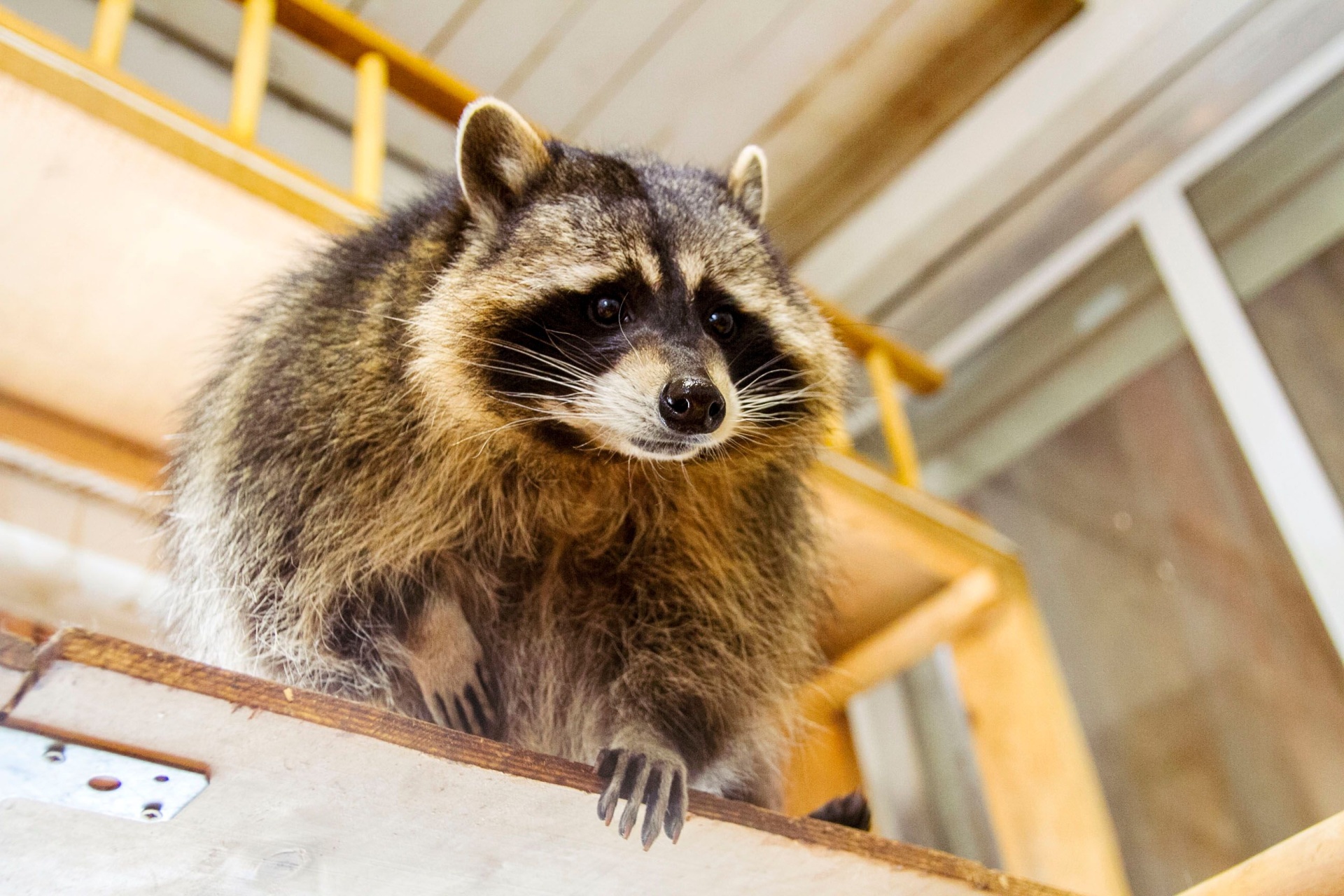
Raccoons in Oregon are classified as “furbearing animals” under Oregon law. This designation means they’re protected by specific regulations managed by the Oregon Department of Fish and Wildlife (ODFW). While raccoons can be removed under certain circumstances, the state regulates when, how, and by whom this removal can happen.
Key principle: Oregon law generally protects wildlife, but property owners have rights to address wildlife causing damage, creating public nuisances, or posing public health risks on land they own or legally occupy.
When Property Owners Can Take Action
Under ORS 498.012, Oregon law allows property owners to take wildlife that is causing damage, creating a public nuisance, or posing a public health risk on their property. However, for furbearing mammals like raccoons, you must first obtain a permit from ODFW unless taking occurs during designated furbearer seasons.
“Damage” under Oregon law means loss of or harm to land, livestock, or agricultural or forest crops.
“Public nuisance” means loss of or harm to persons, gardens, ornamental plants, pets, vehicles, boats, structures, or other personal property.
If raccoons are actively damaging your home—destroying insulation, tearing apart roofing, contaminating spaces with feces, chewing wiring, or creating health hazards—you have grounds to address the problem, but you must follow proper procedures.
The Critical Relocation Restriction
Oregon regulations prohibit relocating raccoons without written permission from ODFW. According to wildlife rehabilitation rules (OAR 635-062-0025), raccoons must be released back to the original location of capture or humanely euthanized, unless otherwise authorized in writing by the local ODFW district wildlife biologist.
This prohibition exists for several important reasons:
- Relocated wildlife often dies due to territorial conflicts with established animals
- Relocation spreads diseases to new areas
- Released animals may return or create problems elsewhere
- Relocated raccoons lack established food sources and shelter in unfamiliar territory
One-Way Door Exclusion: The Legal and Effective Solution
The most legally sound and effective approach for removing raccoons from structures is one-way door exclusion. This method involves:
- Installing one-way doors over entry points that allow raccoons to exit but not re-enter
- Ensuring all other potential entry points are sealed
- Waiting for raccoons to leave naturally (typically several days)
- Permanently sealing all entry points once raccoons are confirmed gone
This approach complies with Oregon law because you’re not capturing or relocating wildlife—you’re preventing access to your structure while allowing animals to leave voluntarily.
The Baby Raccoon Timing Issue
Timing matters significantly. Female raccoons typically give birth to kits (babies) in April and May in Oregon. Kits remain dependent on their mothers for 8-10 weeks.
Never exclude raccoons during baby season without professional assessment. If you seal entry points while dependent kits remain inside, they will die, creating legal, ethical, and practical problems including terrible odors and property damage from desperate mothers trying to reach their young.
Oregon wildlife regulations consider animal welfare, and actions resulting in unnecessary suffering may violate these regulations.
Who Can Legally Remove Raccoons
Property owners can address raccoon problems using approved methods within regulatory frameworks. However, this requires knowledge of proper techniques, appropriate equipment, and correct timing.
Wildlife Control Operators (WCOs) hold permits under OAR 635 Division 435 authorizing them to capture, possess, or transport furbearers and other wildlife for the purpose of reducing property damage, removing nuisance animals, or resolving public health or safety concerns. Licensed professionals understand regulations, use approved methods, and ensure compliance.
Important: Unlicensed individuals cannot legally trap wildlife for others, even with property owner permission. Wildlife control activities require appropriate licensing.
Permit Requirements
Outside of designated furbearer trapping seasons, property owners must obtain permits from ODFW before trapping raccoons, even on their own property when addressing damage situations. Wildlife Control Operators hold permits that authorize them to conduct these activities professionally.
Why These Laws Exist
Oregon’s wildlife regulations balance several important interests:
- Conservation: Maintaining healthy wildlife populations
- Public safety: Ensuring humane treatment and preventing dangerous wildlife handling by untrained individuals
- Disease control: Preventing disease spread through inappropriate relocation
- Property rights: Allowing homeowners to protect their properties within reasonable parameters
- Animal welfare: Preventing unnecessary suffering
Best Practices for Legal Compliance
- Document damage thoroughly: Photograph raccoon entry points, property damage, and sanitation problems. This documentation supports your right to take action.
- Attempt non-lethal exclusion first: Remove attractants—secure garbage, eliminate food sources, remove water access. Make your property less appealing.
- Hire licensed professionals: Licensed Wildlife Control Operators navigate legal requirements, use appropriate methods, ensure humane treatment, and provide warranties on exclusion work.
- Don’t attempt DIY trapping: The risks—legal violations, personal injury from bites or scratches, disease exposure, and ineffective results—far outweigh any cost savings.
- Time actions appropriately: Avoid wildlife control activities during baby season unless professionals determine no dependent young are present.
Penalties for Violations
Violating Oregon wildlife regulations can result in fines, criminal citations for serious violations, and liability for animal suffering. Illegal wildlife handling also creates risks of disease exposure and personal injury.
The Bottom Line
Oregon provides legal pathways for homeowners to address raccoon problems, but the process requires knowledge, proper methods, and appropriate timing. The complexity of regulations and the challenges of humane, effective wildlife control make professional assistance the best choice for most Portland homeowners.
Protect yourself legally while solving your raccoon problem effectively. Contact True Guard Pest & Wildlife for licensed, legal, and humane raccoon removal services that comply with all Oregon regulations.