
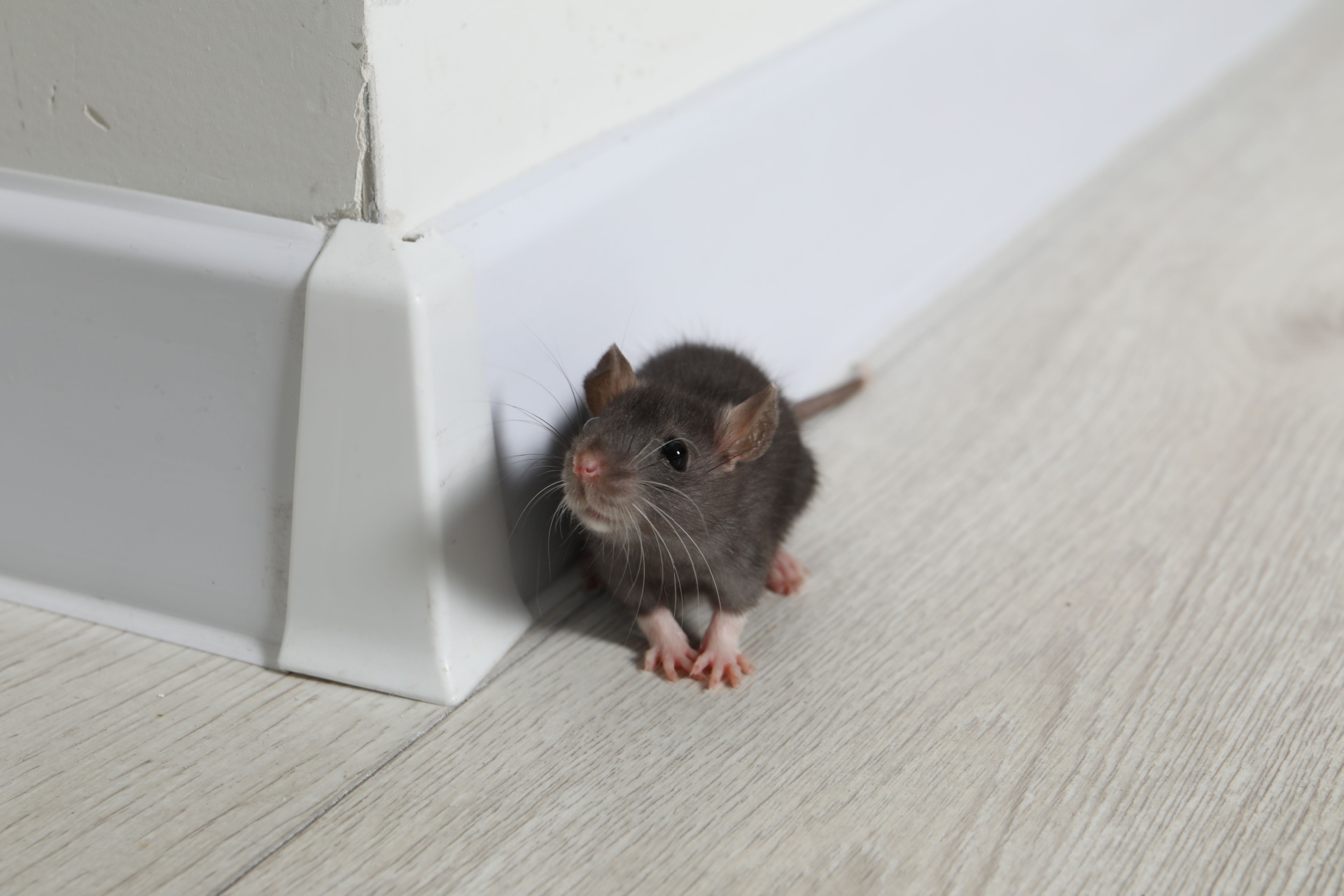
Portland’s iconic rainy weather creates the perfect storm for rodent problems. When the skies open up and rain becomes a daily occurrence, rats and mice start searching for warm, dry shelter—and your home becomes an attractive option. If you’re noticing increased rodent activity during Portland’s wet months, you’re not alone. Understanding why rodent control becomes more critical during rainy seasons can help you protect your home before an infestation takes hold.
Why Rain Drives Rodents Indoors
Rodents need three things to survive: food, water, and shelter. During Portland’s rainy season, which typically runs from October through May, their outdoor habitats become flooded and uncomfortable. Burrows fill with water, food sources become scarce, and staying outside becomes increasingly difficult. Your warm, dry home offers everything they need.
Rats and mice are surprisingly resourceful when it comes to finding entry points. They can squeeze through openings as small as a quarter (for rats) or a dime (for mice). Portland’s older homes often have gaps around utility lines, worn weatherstripping, and foundation cracks that become highways for desperate rodents seeking refuge from the rain.
Common Entry Points During Wet Weather
Foundation and crawl space vulnerabilities become more apparent during rainy months. Water damage can create new cracks and gaps, while vents without proper screening offer easy access. Portland’s wet soil can also cause foundations to shift slightly, creating openings that weren’t there during drier months.
Roof and attic access points are particularly problematic. Rats are excellent climbers and can easily reach your roofline by scaling trees, power lines, or downspouts. Damaged roof vents, gaps under eaves, and compromised soffits become entry points, especially when rodents are motivated by persistent rain.
Garage and basement areas often have multiple vulnerabilities. Gaps under garage doors, utility line penetrations, and basement window wells can all provide access. During heavy rain, rodents may enter these spaces first before working their way into your main living areas.
Signs Rodents Have Moved In
You might notice droppings in your garage, pantry, or along baseboards. Rodent droppings are typically dark, pellet-shaped, and concentrated in areas where they travel frequently. You may also hear scratching or scurrying sounds in your walls or attic, particularly at night when rodents are most active.
Gnaw marks on food packaging, baseboards, or electrical wires indicate active rodent presence. Rats and mice must constantly gnaw to keep their ever-growing teeth at manageable lengths, which means they’ll chew on almost anything in your home.
What You Can Do About It
Seal entry points before the rain starts. Walk around your home’s exterior and identify any gaps, cracks, or openings larger than a quarter inch. Use steel wool, copper mesh, or hardware cloth to fill these gaps—rodents can’t chew through metal. Pay special attention to areas where utilities enter your home.
Manage outdoor conditions. Keep tree branches trimmed at least six feet away from your roofline. Store firewood at least 20 feet from your home and elevate it off the ground. Clear debris, leaf piles, and overgrown vegetation that could provide rodent harborage near your foundation.
Address moisture problems. Fix leaky gutters and downspouts that create standing water near your foundation. Ensure proper drainage around your home. Rodents are attracted to moisture, so eliminating water sources makes your property less appealing.
Store food properly. Keep all food in sealed, rodent-proof containers. Don’t leave pet food out overnight. Clean up crumbs and spills promptly, and take garbage out regularly in sealed bins.
Professional Prevention Makes a Difference
While DIY prevention helps, professional rodent control provides comprehensive protection. Experts can identify vulnerable areas you might miss, use professional-grade exclusion materials, and implement monitoring systems to catch problems early.
Portland’s rainy weather isn’t going anywhere, but that doesn’t mean you have to share your home with rodents. Taking proactive steps during dry months and maintaining vigilance during rainy seasons will help keep your home rodent-free year-round.
Don’t wait until you see signs of an infestation. Contact True Guard Pest & Wildlife today for a comprehensive rodent inspection and customized prevention plan that protects your Portland home through every season.