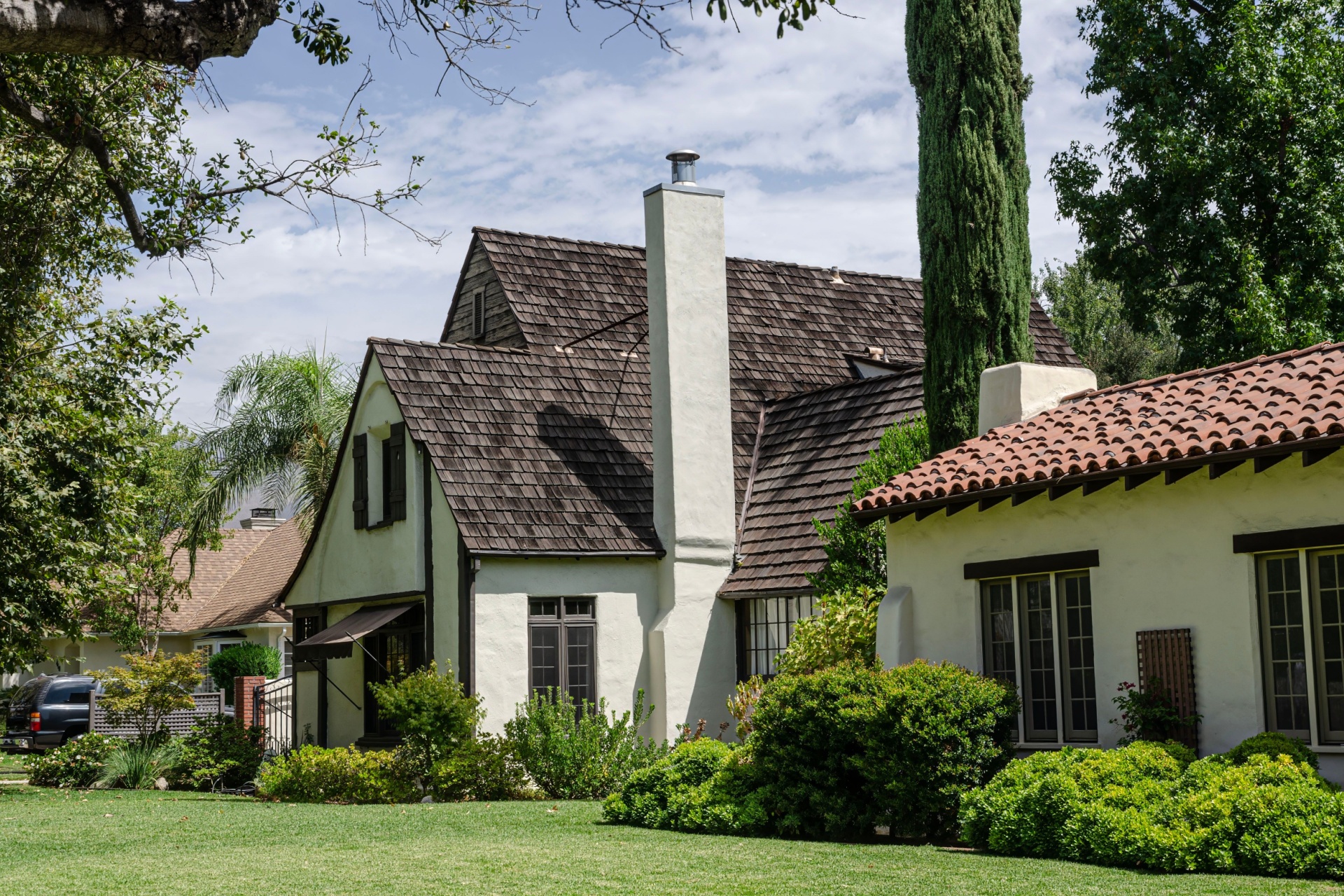

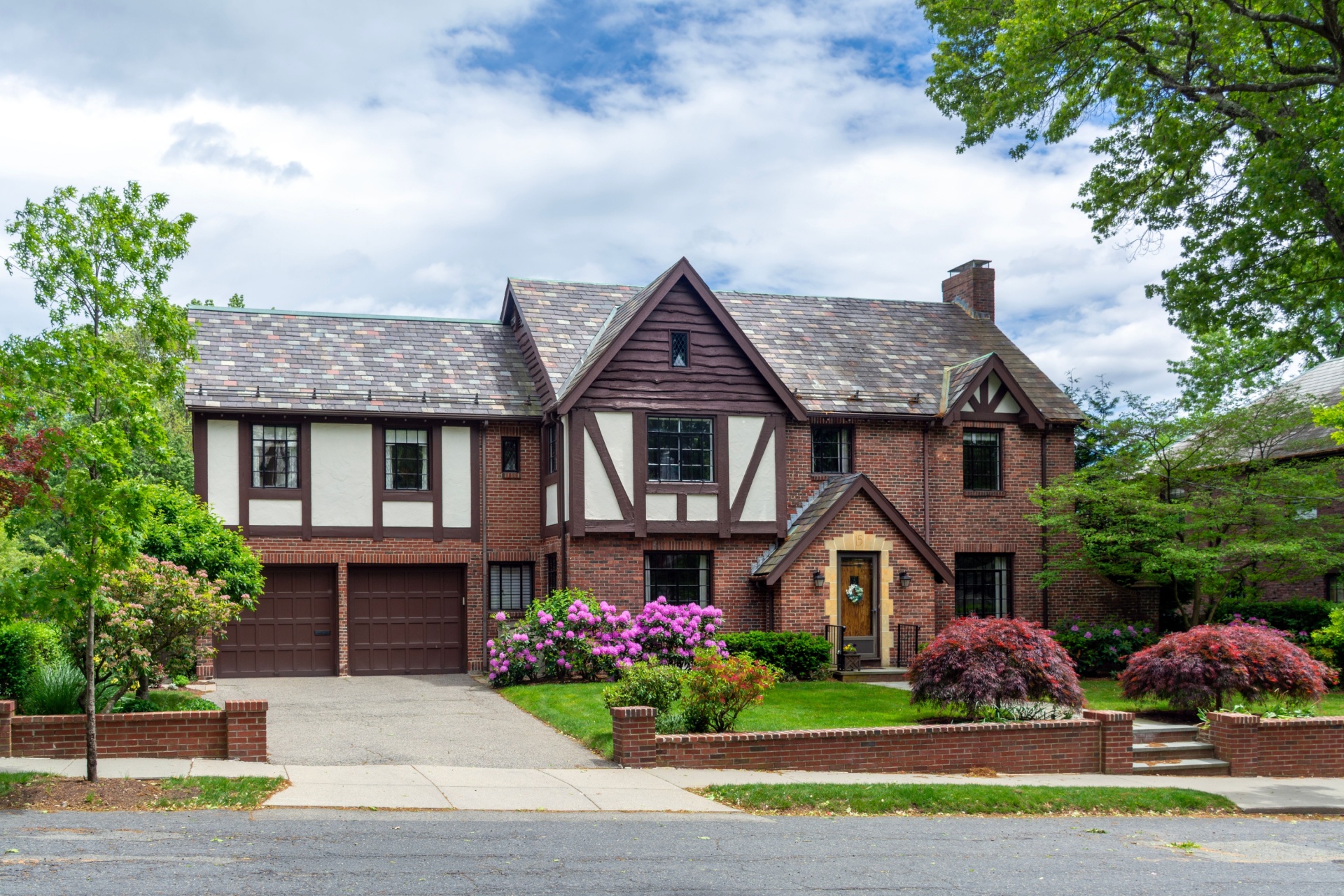
Eastmoreland homeowners face pest challenges unique to this historic Southeast Portland neighborhood. The combination of older construction, abundant green spaces, and proximity to the Eastmoreland Golf Course and Crystal Springs Rhododendron Garden creates an environment where various pest species thrive. Understanding the most common pest problems affecting Eastmoreland homes helps homeowners recognize issues early and seek professional treatment before minor problems become major infestations. True Guard Pest & Wildlife has extensive experience protecting Eastmoreland’s historic properties from the pests that commonly affect this distinctive neighborhood.
Carpenter Ant Infestations Are Widespread
Carpenter ants rank as the most frequently encountered pest problem in Eastmoreland. These large black ants establish parent colonies in the neighborhood’s mature trees, stumps, and landscape timbers, then create satellite colonies inside nearby homes. They’re particularly attracted to wood that has been softened by moisture—areas around windows, doors, roof edges, and anywhere water damage has occurred over the decades. Homeowners often first notice carpenter ants in spring when winged swarmers emerge or when they see large black ants trailing through kitchens and bathrooms. Professional treatment is essential because these pests cause progressive structural damage as they excavate galleries in wood.
Spider Populations Thrive Year-Round
The abundant vegetation and mature trees throughout Eastmoreland create perfect spider habitat. Giant house spiders, hobo spiders, and common house spiders regularly enter homes, particularly during fall when outdoor conditions become less favorable. These spiders establish webs in basements, crawl spaces, garages, and living areas. While most species are harmless, their presence creates nuisance problems, and many homeowners find them unsettling. Regular professional pest control significantly reduces spider populations.
Stinging Insects Build Nests on Historic Structures
Yellowjackets, paper wasps, and bald-faced hornets commonly build nests on Eastmoreland homes. The architectural details common in historic construction—decorative eaves, complex rooflines, and ornamental trim—provide ideal protected locations for nest building. These insects become aggressive when defending their nests, creating hazards for families and visitors. Professional removal is essential, as attempting DIY nest removal often results in multiple stings.
Occasional Invaders Enter From Landscaping
Eastmoreland’s lush landscaping attracts various occasional invader pests. Earwigs, millipedes, sowbugs, and boxelder bugs enter homes from surrounding gardens and vegetation, particularly during weather changes. While these pests don’t cause damage or reproduce indoors, they create nuisance problems when they appear in large numbers. Professional exterior treatments create barriers that prevent these seasonal invaders from entering homes.
Wildlife Causes Property Damage
Raccoons, squirrels, and occasionally bats create problems for Eastmoreland homeowners. Raccoons are particularly destructive, tearing through siding, soffits, and vents to access attics where they damage insulation and wiring. Squirrels chew on wood and electrical components. Bats roost in attic spaces, leaving behind droppings that pose health concerns. Professional wildlife control addresses these larger pests through humane removal and exclusion methods.
Crawl Space Pests Go Unnoticed
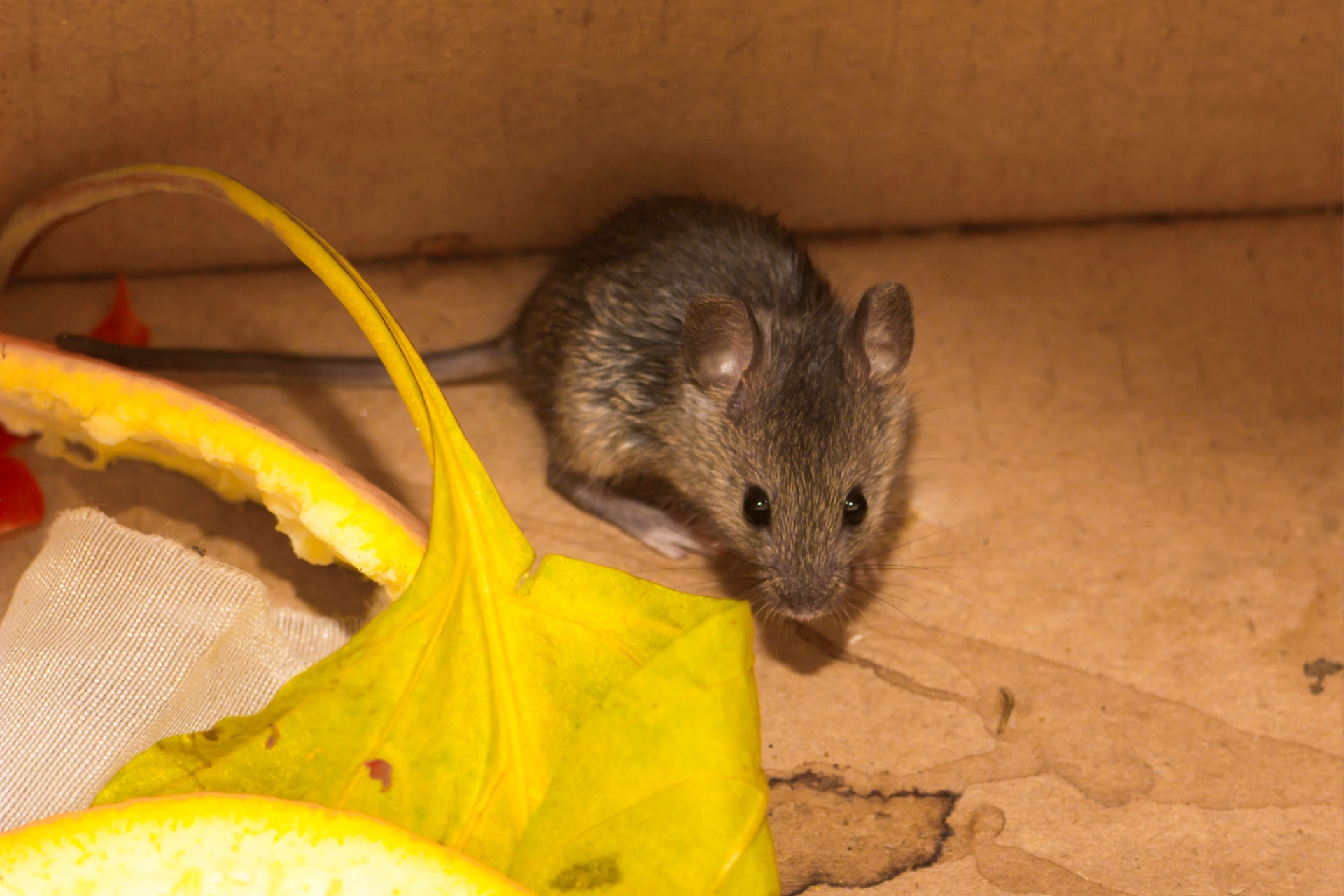
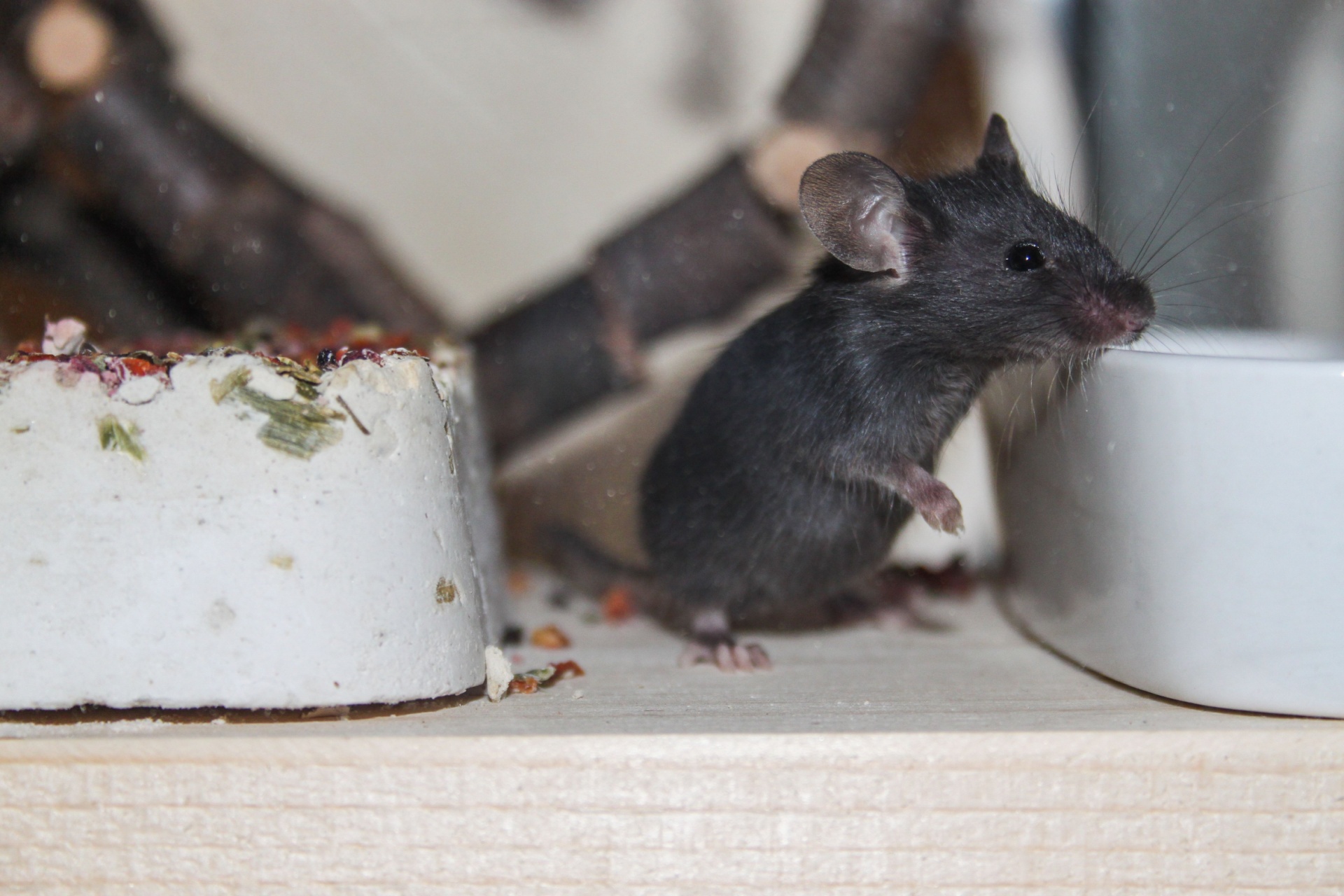
Many Eastmoreland homes have crawl spaces that harbor pest problems homeowners never see. Rodents nest in insulation, moisture ants colonize damp wood, and spiders thrive in these undisturbed areas. Professional pest control includes crawl space inspection and treatment, addressing issues before they migrate into main living areas or cause structural damage.
Ants Invade Kitchens in Spring
Odorous house ants and other nuisance ant species commonly invade Eastmoreland kitchens during spring and summer. These small ants establish colonies in walls, under foundations, or in nearby landscaping, then send foraging trails into homes seeking food and water. DIY treatments often just move the problem around rather than eliminating colonies. Professional treatment identifies nest locations and eliminates entire colonies.
Historic Construction Details Create Pest Entry
The quality craftsmanship that makes Eastmoreland homes beautiful also creates pest entry opportunities. Original windows may have gaps around frames, decorative trim provides hiding places, and the complexity of historic construction creates numerous potential entry points. Professional pest control specialists understand how pests exploit these features and implement treatments that protect homes without damaging historic character.
Seasonal Patterns Drive Pest Activity
Eastmoreland experiences distinct seasonal pest patterns. Spring brings carpenter ant swarmers and increased ant activity. Summer sees peak populations of spiders and stinging insects. Fall drives rodents and occasional invaders indoors. Winter creates opportunities for pests that have already gained entry. Year-round professional pest control maintains protection through all seasons.
Don’t let pests damage your historic Eastmoreland home. Reach out to True Guard Pest & Wildlife for comprehensive pest control services that protect your property while respecting its architectural heritage. Contact us now to schedule your free inspection.